Personal injury barristers
In a serious injury claim, the difference between a fair settlement and a poor one can run to hundreds of thousands of pounds. A personal injury barrister helps make sure the claim is valued and argued properly.
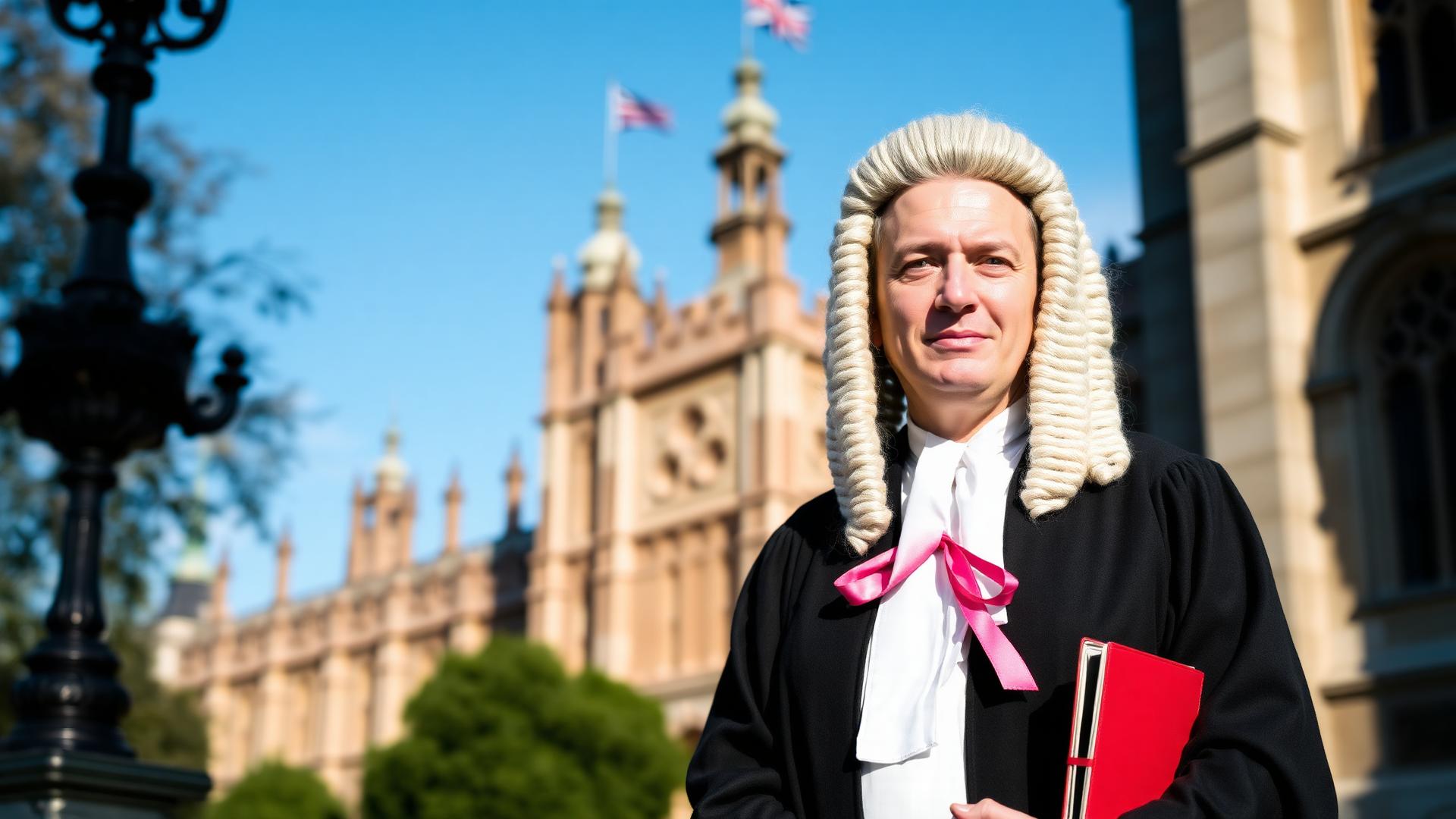
What a personal injury barrister does
Personal injury barristers advise on and argue claims for compensation after accidents and injuries caused by someone else's negligence or breach of statutory duty. They act for injured people, usually through their solicitors, and for defendants and their insurers.
Their work covers both liability, meaning who is legally responsible, and quantum, meaning how much the claim is worth. Liability arguments include contributory negligence, causation and whether safety rules were followed. Quantum covers general damages for pain and suffering, past and future loss of earnings, care, accommodation, aids and equipment, and periodical payments for the most serious injuries.
Counsel is often instructed to advise on evidence and experts, draft or settle pleadings and schedules of loss, attend joint settlement meetings, and represent clients at interim applications, approval hearings for children and protected parties, and trial.
Common personal injury instructions
Road traffic accidents
Car, motorcycle, cycling and pedestrian claims, including serious injuries outside the whiplash tariff.
Workplace accidents
Falls from height, machinery, manual handling and industrial disease claims against employers.
Public liability
Trips and falls, occupiers' liability and injuries in shops, leisure venues and public spaces.
Catastrophic injury
Brain and spinal injuries, amputations and claims needing lifetime care and periodical payments.
Fatal accidents
Claims by dependants under the Fatal Accidents Act 1976 and on behalf of the estate.
Fundamental dishonesty
Defending or raising allegations that a claim has been exaggerated, which can cost a claimant the whole award.
Time limits and the claims process
Personal injury claims must normally be issued within three years of the accident, or of the date you first knew the injury was significant and caused by someone else. For children the three years run from their 18th birthday, and there is no time limit while someone lacks mental capacity. The court has a discretion to extend time, but it should never be relied on.
Lower-value road traffic, employer's and public liability claims usually start in the online portals. Higher-value claims follow the pre-action protocol, with an exchange of medical evidence and offers, and many settle at a joint settlement meeting. Where liability or quantum cannot be agreed, the case goes to trial in the county court or, for the largest claims, the High Court.
Part 36 offers play a big part. Accepting or rejecting an offer has serious costs consequences, and specialist advice on whether an offer is reasonable is one of the most valuable things a barrister provides.
How personal injury barristers are paid
Most claimant claims are funded by conditional fee agreements, often called no win no fee, and protected by qualified one-way costs shifting, which usually means an unsuccessful claimant does not pay the defendant's costs. Many personal injury barristers work on conditional fees too, particularly when instructed by the claimant's solicitor.
Where counsel is instructed privately, for example for a second opinion on quantum or liability, written advice typically starts from around £1,000 to £2,500 plus VAT. Attendance at a joint settlement meeting or interim hearing usually starts from around £1,000, and a one-day trial from around £2,500 plus VAT for experienced junior counsel, more for catastrophic injury claims and senior counsel. Fees are agreed in writing first.
Instructing a personal injury barrister
Most personal injury work comes through solicitors, and we work with claimant and defendant firms to find available counsel quickly. Individuals can also instruct directly under the Public Access scheme for a second opinion, advice on a settlement offer, or help where their solicitor has stopped acting.
Send us a summary, the value of the claim if known, and key dates. We will match you with suitable counsel and send a written fee. Clerk & Counsel is an intermediary and clerking service; panel barristers are independent and regulated by the Bar Standards Board.
Common questions
How long do I have to make a personal injury claim?
Usually three years from the accident or from when you knew the injury was significant. For children, the three years start at 18.
Can I get a second opinion on my settlement offer?
Yes. You can instruct a personal injury barrister directly for advice on whether an offer is reasonable, even if you already have a solicitor.
Do personal injury barristers work on no win no fee?
Many do when instructed by a solicitor under a conditional fee agreement. Private instructions for advice are usually on an agreed fixed fee.
What is fundamental dishonesty?
If a court finds a claimant has been fundamentally dishonest about any part of their claim, it can dismiss the whole claim and remove costs protection. Specialist advice is essential.
How much does a personal injury barrister cost?
Private written advice often starts from around £1,000 to £2,500 plus VAT and a one-day trial from around £2,500 plus VAT for experienced junior counsel. Fees are agreed in writing first.
Clerk & Counsel is an intermediary and clerking service. We do not provide legal advice or legal representation. Barristers instructed through Clerk & Counsel are independent legal professionals regulated by the Bar Standards Board and are responsible for the legal services they provide. It is free to submit an enquiry; if you instruct a barrister through us, our service fee of up to £150 depending on urgency is shown separately from the barrister's professional fee before you decide.
Related pages