Barrister for Trial
If you have a trial coming up and no solicitor on the record, you can still be represented. Clerk&Counsel places BSB registered direct access barristers for trial across England and Wales, on a fixed brief fee agreed in writing before any work begins.
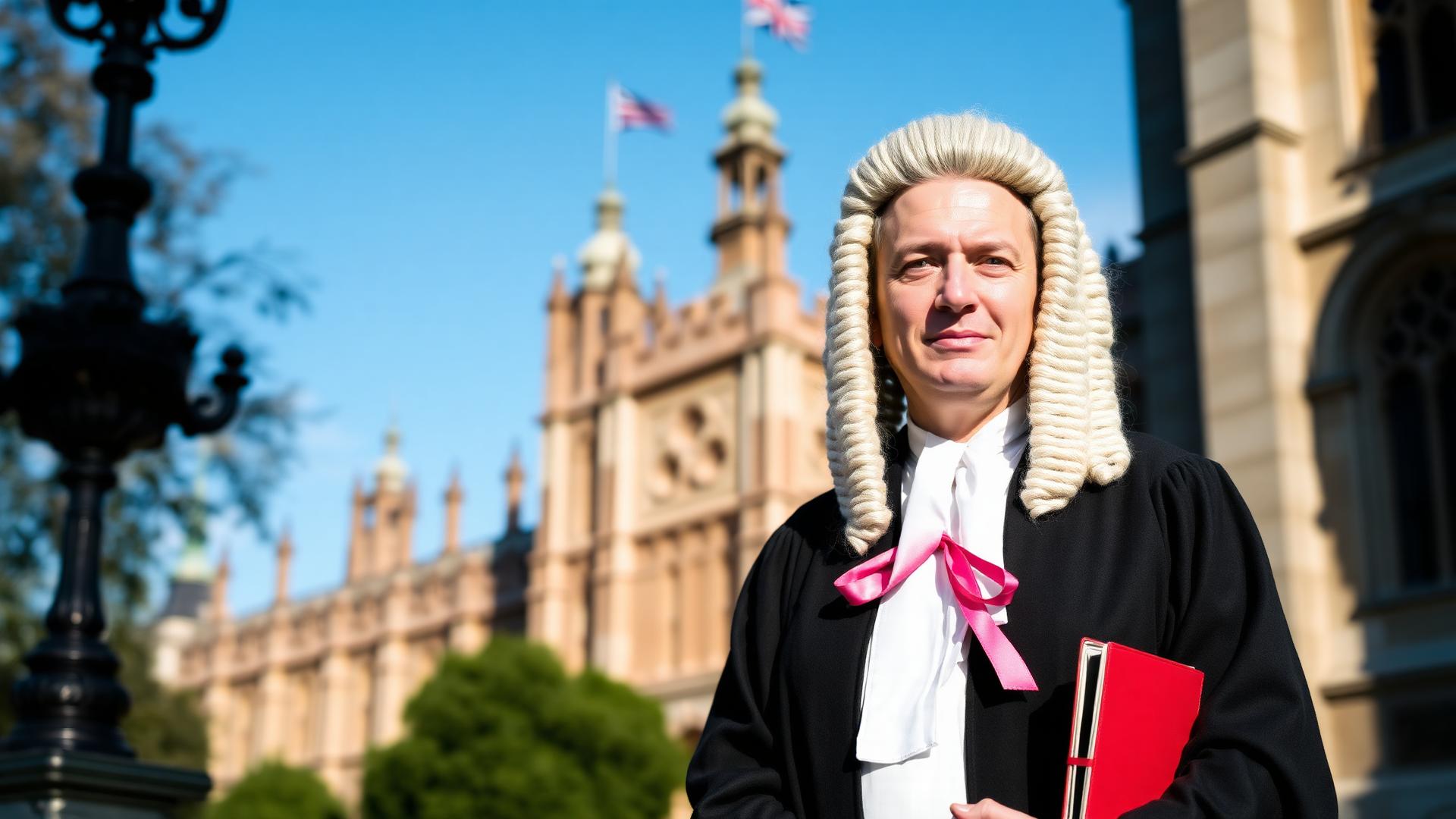
People search for a barrister for trial at the point things have become real. A date has been listed, the bundle is taking shape, and a litigant in person has worked out that standing up alone in court is not the plan. The good news is that you can hire a specialist barrister directly, without going through a solicitor first, under the Bar Standards Board Public Access scheme.
Clerk&Counsel is a clerking agency. We do not provide legal services ourselves. We identify Public Access qualified counsel from across the independent Bar, confirm availability for your hearing date, agree a fixed brief fee and issue the BSB client care letter, usually within twenty four to seventy two hours. You can send a brief at any time, or read more about how the Public Access scheme works.
For criminal matters jump to barrister for Crown Court trial or barrister for Magistrates Court. For family hearings jump to barrister for a family court hearing.
Send the listing notice and the headline documents. A clerk will come back with shortlisted, available counsel and an indicative brief fee.
Send a brief →What we have learned placing trial briefs
The single biggest predictor of a good outcome is when counsel receives the brief. Three weeks out is calm. Ten days is workable. The week of trial is survival mode and the fee reflects it. We push hard on this with clients because it is the cheapest piece of advice we ever give. The barrister who has had time to read the file, settle the cross examination plan and stress test the legal argument is a different proposition from one reading the bundle on the train.
The second pattern is the bundle. A tidy 200 page bundle with an accurate index, a chronology and a tight pleading reads in three hours. The same documents in a 600 page dump take a day. That difference is real money in a fixed fee instruction, and counsel will quote accordingly. A practical tip is to put the order listing the hearing, the latest pleadings and the witness statements at the front of the brief and let counsel ask for the rest.
The third pattern is settlement. A good direct access trial brief often produces a settlement in the fortnight before the hearing, not at the hearing itself, because the position statement and the skeleton argument land in the other side's inbox and change the picture. We measure that as a win. The fixed fee remains payable, but you have avoided the trial day, the witness ordeal and the risk on costs.
The honest counterpoint is that direct access does not fit every trial. Heavy disclosure, multi party litigation, public funding and any case requiring funds to be held in a client account still belong with a solicitor. When we see one of those briefs we say so, and where useful we will point clients toward a solicitor led model.
Trials we cover
Crown Court trials
Plea and trial preparation hearings, contested trials, sentence and appeal against conviction or sentence. See criminal defence barrister.
Magistrates Court
Summary trials, either way offences, mode of trial, bail, driving offences and youth court matters.
Civil trials
Contract, debt, professional negligence, partnership, shareholder and property disputes in the County Court and High Court.
Family final hearings
Financial remedy final hearings, FDRs, fact finding hearings and final hearings in private children cases. See direct access family law.
Tribunal hearings
Employment Tribunal, First tier Tribunal in immigration and tax, and Upper Tribunal appeals.
Appeals
County Court and High Court appeals, Court of Appeal Civil and Criminal Divisions, with permission applications drafted by the same counsel who will argue them.
Frequently asked questions
Can I hire a barrister directly for a trial?
Yes. Since the Bar Standards Board opened the Public Access scheme to the public in 2004, any qualifying barrister of at least three years standing who has completed the Public Access course can take instructions for a trial directly from a member of the public or from a business. There is no requirement to go through a solicitor first. The barrister you instruct will handle the advocacy, the cross examination and the legal argument. You retain conduct of the litigation, which usually means filing the paperwork and writing letters under guidance.
How late can I instruct a barrister before trial?
Counsel can be instructed up to and including the morning of the hearing if availability allows, but the value of late instruction falls sharply. The realistic minimum for a contested civil or family trial is around ten working days, which gives counsel time to read in, prepare cross examination, draft a skeleton argument and settle a position statement. For a Crown Court trial, four to six weeks is preferable. For an urgent injunction or an adjudication response we have placed counsel in twenty four hours.
How much does a barrister cost for a trial?
Brief fees for a one day trial in the County Court or Family Court usually fall between £1,500 and £4,500 plus VAT, with a daily refresher of around £750 to £1,500 for longer hearings. A junior Crown Court brief sits at a similar level, with leading counsel commanding higher fees in serious or complex cases. Direct access keeps cost down by removing the solicitor file that would otherwise run alongside. Every fee is fixed and confirmed in the BSB client care letter before any work begins.
Do I need a solicitor as well as a barrister?
Not for most trials. The Public Access scheme is designed to let you instruct counsel directly. A solicitor remains useful where the matter needs heavy ongoing disclosure, where significant funds must be held in a regulated client account, or where the case is publicly funded under legal aid. The clerks will say so candidly at the brief stage if your matter is one of those.
Will the same barrister handle my pre trial advice and the trial itself?
Yes, in almost every case. Continuity matters at trial. The barrister who advises on merits, drafts your statement and settles the bundle is the same person who will stand up in court. The exception is double booking, which is rare and managed by the clerks well in advance, with a substitute of equivalent seniority instructed only with your written agreement.
Can a direct access barrister conduct litigation?
Only if they hold the Bar Standards Board conduct of litigation extension. Most do not, and most do not need to. In a direct access trial brief, you, the lay client, formally remain on the record as the litigant. The barrister drafts everything that needs drafting, tells you exactly what to file and when, and represents you at every hearing. If your matter genuinely needs conduct of litigation, the clerks will identify counsel with that extension.
What courts can a direct access trial barrister appear in?
All of them. County Court, High Court including King's Bench, Chancery and the Technology and Construction Court, Family Court at every tier, Magistrates Court, Crown Court, First tier and Upper Tribunals, Employment Tribunal and the Court of Appeal. The right of audience is the same as for any practising barrister.
How do I instruct counsel for a trial?
Send a short brief through the form on this site, attach the order listing the hearing and the key documents you already have, and tell the clerks the date. A clerk will run a conflict check, identify available counsel with the right expertise, confirm a fixed brief fee and send the BSB client care letter for signature. Once that is signed and the fee is received, your barrister starts preparing.
Ready to instruct counsel for your trial?
Send the listing notice and a short summary. A clerk will respond within one working day with shortlisted, available counsel and an indicative brief fee.
Send a brief →