Barrister for Crown Court Trial
Privately instructed defence counsel for Crown Court hearings across England and Wales. BSB regulated direct access barristers for PTPH, contested trial, sentence and appeal, on a fixed brief fee agreed in writing.
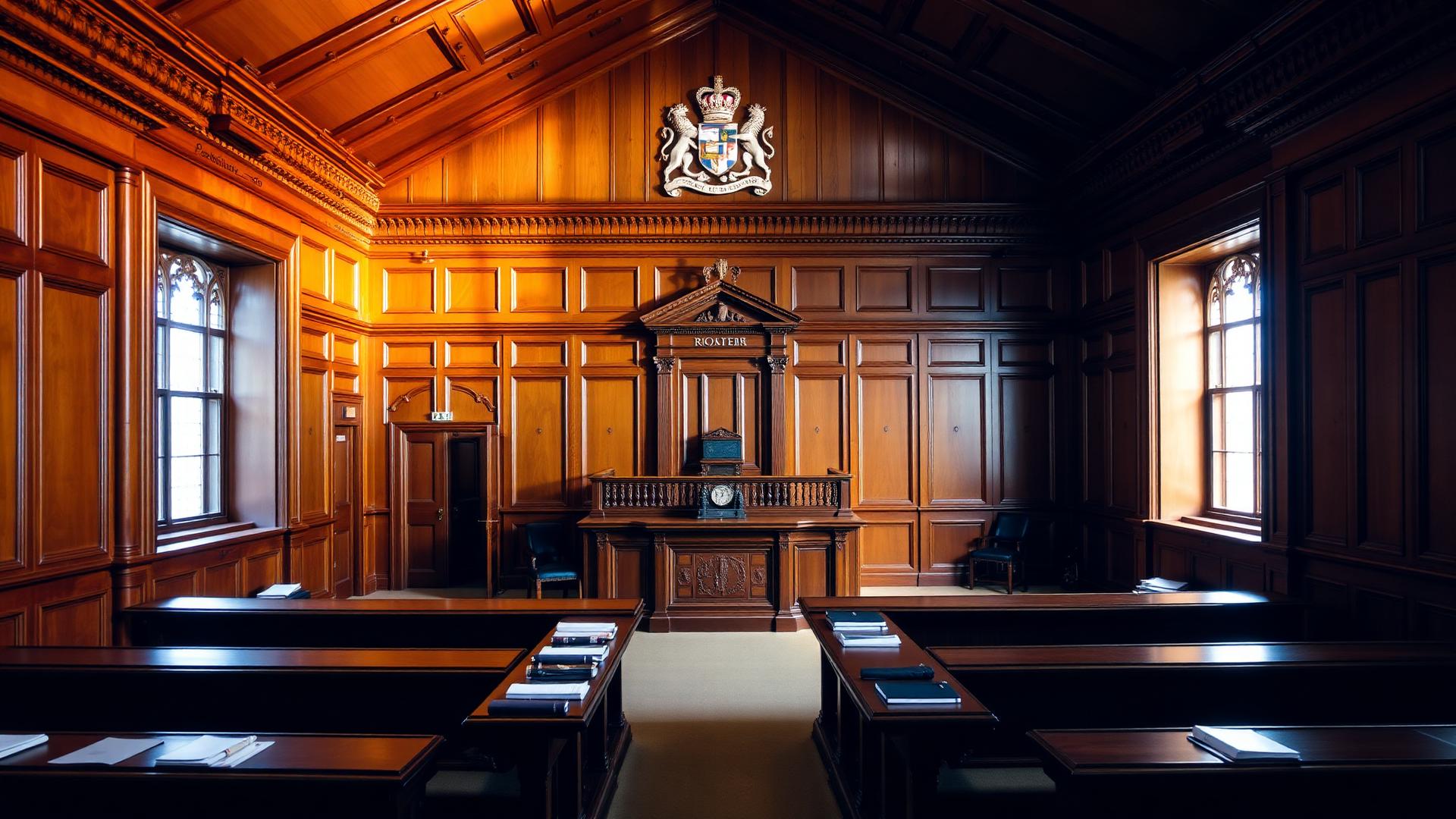
If you have been sent or committed to the Crown Court, the question quickly becomes who actually stands up for you. Three routes exist. Legal aid, where you qualify, instructs counsel through a criminal solicitor. Privately funded representation through a solicitor and counsel is the traditional model. Privately funded representation through a direct access barrister alone is the route most clients land on when paying themselves, and it usually halves the bill.
Clerk&Counsel is a clerking agency. We do not provide legal services ourselves. We place Public Access qualified defence counsel from across the independent Bar for Crown Court matters in every region of England and Wales. Send a short brief through this form and a clerk will respond within one working day. Read more about the wider service on criminal defence barrister and direct access barristers.
For summary or either way matters that have stayed in the Magistrates Court, jump to barrister for Magistrates Court. For the broader hearing landscape, see barrister for trial.
Send the indictment, the listing notice and the IDPC. A clerk will identify counsel with the right seniority and the right circuit.
Send a brief →What we have learned placing Crown Court briefs
The first hearing matters. PTPH is not a formality. The plea entered there, the issues identified for trial, the section 8 applications flagged and the timetable agreed shape the next six months. Sending counsel a fortnight before PTPH, rather than the afternoon before, regularly produces a tighter case theory and a fairer trial date.
The second pattern is disclosure. The Initial Details of the Prosecution Case is rarely the whole picture. A defence statement that asks the right questions, followed up with a focused section 8 application, often produces material the Crown had not appreciated it held. That is unglamorous work, done in writing, and it wins trials.
The third pattern is honesty about cost. A two day Crown Court trial done well takes counsel four to six full days of preparation and two in court. The brief fee reflects that. What it should not reflect is a second professional doing the same thinking. By removing the solicitor file in straightforward private matters, a direct access instruction usually saves between thirty and fifty per cent of the equivalent two layer cost.
The honest counterpoint is that direct access does not fit every criminal matter. Cases that need extensive police station attendance, complex disclosure management, expert instruction at scale or significant funds held in a client account still belong with a solicitor led model. So does anything publicly funded. The clerks will say so candidly at the brief stage.
Stages we cover
Sending hearing
Bail representations, case management and early advice on plea.
PTPH
Plea, identification of trial issues, section 8 flagging and trial timetable.
Contested trial
Cross examination, defence case, legal argument and closing speech to the jury.
Sentence
Mitigation, Newton hearings, pre sentence report representations and ancillary orders.
Appeals
Grounds drafted and argued in the Court of Appeal Criminal Division.
Confiscation
Section 16 statements, response, and contested confiscation hearings under POCA 2002.
Frequently asked questions
Do you need a barrister for Crown Court?
In practice, yes. Crown Court trials are heard before a judge and jury, with rules of evidence and procedure that are difficult to navigate without rights of audience and trial advocacy training. The Court can hear a defendant in person, but it is rare to do so in a contested matter. Most defendants are represented either by privately instructed counsel, by counsel instructed through a solicitor on legal aid, or by counsel instructed directly under the Public Access scheme.
Can I instruct a barrister for Crown Court without a solicitor?
Yes, if you are paying privately and the barrister is Public Access qualified. The scheme was extended in 2013 to cover criminal work, and there is now a pool of experienced defence counsel who accept direct instructions for plea hearings, contested trials, sentences and appeals. Legal aid work, by contrast, must still go through a solicitor's firm with a criminal contract.
How much does a barrister cost for a Crown Court trial?
A junior brief for a one to two day Crown Court trial usually starts around £3,500 to £7,500 plus VAT, with a daily refresher of around £1,000 to £1,500 for longer trials. Leading counsel command higher fees in serious or high profile cases. A plea or mention hearing on its own can be agreed for £750 to £1,500. Every fee is fixed and confirmed in writing in the BSB client care letter before work begins.
What does a Crown Court barrister actually do?
At PTPH, counsel enters the plea, identifies the issues for trial and addresses bail, disclosure and the trial timetable. Pre trial, counsel advises in writing on the prosecution case, settles cross examination of prosecution witnesses, drafts the defence statement, settles a defence skeleton on legal points and prepares the closing speech. At trial, counsel opens the defence, cross examines, calls and examines defence witnesses, addresses legal argument and delivers the closing speech to the jury. At sentence, counsel advances mitigation. On appeal, counsel drafts grounds and argues the case in the Court of Appeal.
How quickly can a Crown Court barrister be instructed?
For a PTPH or mention hearing, twenty four to seventy two hours is realistic. For a contested trial, four to six weeks is preferable and three weeks is the practical minimum to read in properly and prepare cross examination. We can move faster in urgent cases, but we will say so candidly if the time available risks the quality of representation.
Will the same barrister handle the whole case?
Yes, in almost every Crown Court instruction. Continuity matters more in criminal work than in any other field, because trial counsel needs to have lived with the file. Substitution only happens with your written agreement, usually in the rare event of a listing clash, and only to counsel of equivalent seniority.
Can a direct access barrister represent me at the Court of Appeal Criminal Division?
Yes. Public Access counsel can advise on the merits of appeal against conviction or sentence, draft and settle the grounds, lodge the Form NG and represent you at the leave hearing and the substantive appeal in the Court of Appeal Criminal Division.
What happens if I qualify for legal aid?
If you qualify for criminal legal aid, in most cases that is the better route, because the Legal Aid Agency pays the bill subject to any contribution. Legal aid must be applied for through a criminal solicitor's firm. The clerks will tell you candidly at the brief stage if legal aid is likely to apply.
Crown Court hearing listed?
Send the indictment and the listing notice. A clerk will respond within one working day with shortlisted counsel and an indicative brief fee.
Send a brief →