Barrister for Magistrates Court
Privately instructed direct access barristers for plea, summary trial, sentence and appeal in the Magistrates Court across England and Wales. Fixed fees agreed in writing before any work begins.
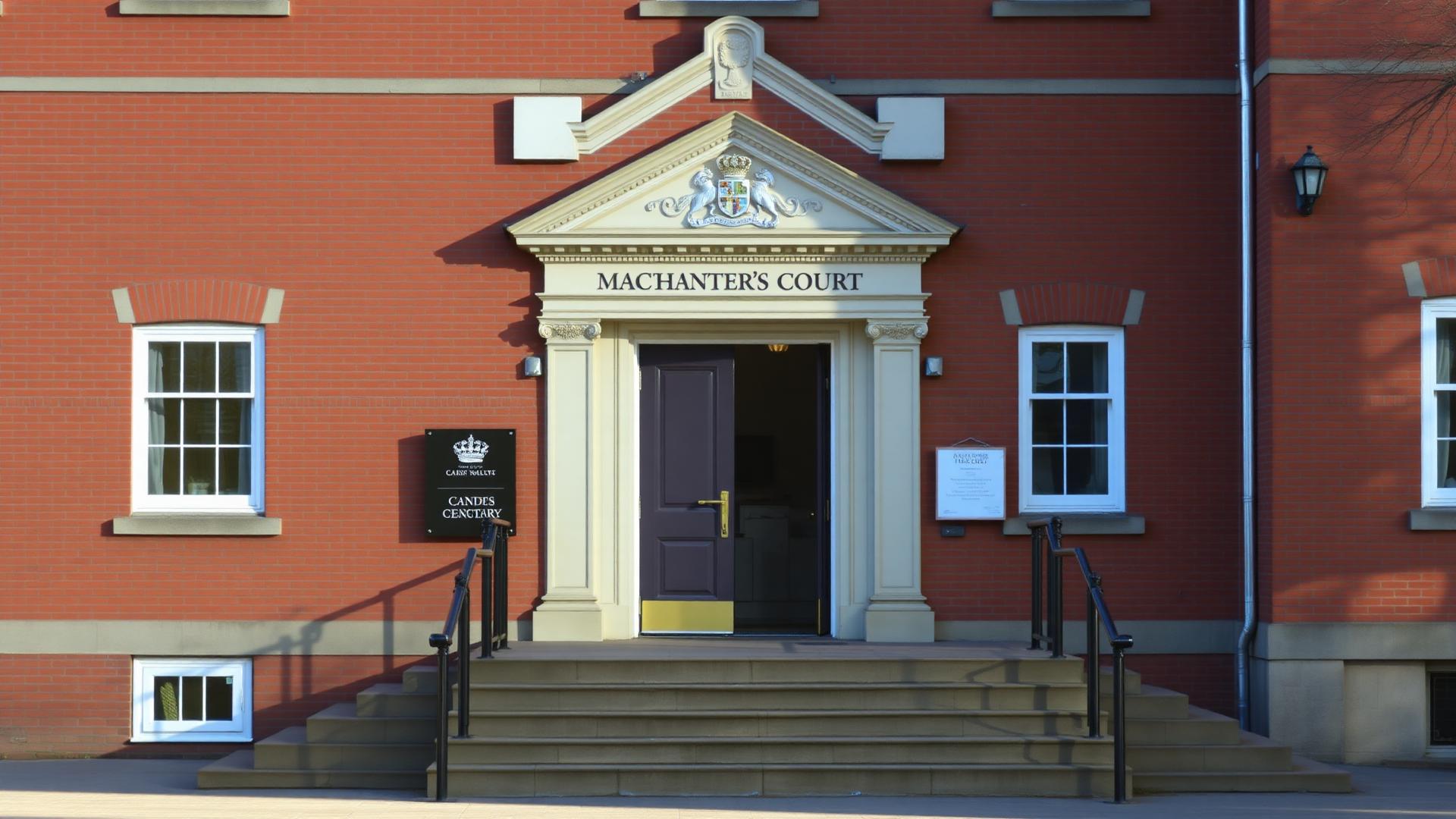
Around ninety four per cent of criminal cases in England and Wales begin and end in the Magistrates Court. That includes summary only offences, the bulk of either way offences and almost every road traffic prosecution. The sentencing powers are limited, but the consequences of conviction, including disqualification, community orders, custody up to twelve months and the permanent record, are not.
Clerk&Counsel is a clerking agency. We do not provide legal services ourselves. We place Bar Standards Board registered Public Access counsel for Magistrates Court hearings nationwide, usually within twenty four to seventy two hours. Send a short brief through this form and a clerk will respond within one working day.
If your matter has been sent to the Crown Court, jump to barrister for Crown Court trial. For a wider view see barrister for trial and criminal defence barrister.
Send the charge sheet, the IDPC and the date. A clerk will come back with available counsel and a fixed brief fee.
Send a brief →What we have learned placing Magistrates briefs
The Magistrates Court is fast. A list of twenty matters in a morning is normal and the bench will not wait for a litigant in person who is still working out where to stand. Trained counsel who has read the IDPC the night before, knows the relevant guideline and has the mitigation drafted, gets through the hearing cleanly. That tone matters to the outcome.
Road traffic is the area where the fixed fee model pays for itself most reliably. Exceptional hardship, special reasons and section 172 challenges live or die on the way they are presented. A barrister briefed for the hearing, with the supporting evidence ordered properly, regularly produces a result no online template and no first appearance duty solicitor could achieve.
Mode of trial is the other strategic moment we see clients get wrong without advice. Electing Crown Court or accepting summary jurisdiction has consequences that run beyond venue, including the realistic sentence, the disclosure that becomes available and the level of legal argument the case will receive. Twenty minutes of advice ahead of the mode of trial hearing is usually money well spent.
The honest counterpoint is that some Magistrates matters do not need a barrister at all. A straightforward plea to a minor offence with no aggravation can sensibly be handled by a duty solicitor or in person. We will say so when we see one, rather than place a brief that does not need to be placed.
Matters we cover
Summary trials
Assault, public order, theft and other summary only offences.
Either way offences
Mode of trial advice, plea before venue and summary trial where jurisdiction is accepted.
Driving and road traffic
Speeding, totting up, no insurance, exceptional hardship, special reasons, section 172.
Bail applications
Contested bail and applications to vary conditions.
Sentence
Mitigation, Newton hearings and ancillary orders including restraining and SHPOs.
Appeals
Appeal against conviction or sentence to the Crown Court and case stated to the High Court.
Frequently asked questions
Do you need a barrister in the Magistrates Court?
Not legally, but in practice representation makes a real difference. The Magistrates Court hears the vast majority of criminal cases in England and Wales, and the rules of evidence and sentencing guidelines that apply are the same as in the Crown Court. A trained advocate can put your case more effectively, cross examine prosecution witnesses, and address the bench on legal points the bench expects to hear.
Can I hire a barrister directly for a Magistrates Court hearing?
Yes. Since the Public Access scheme was extended in 2013 to cover criminal work, a Bar Standards Board registered barrister with the Public Access qualification can be instructed directly for plea, trial, sentence and appeal in the Magistrates Court, without a solicitor.
How much does a barrister cost for the Magistrates Court?
For a guilty plea and mitigation, a fixed fee of around £600 to £1,200 plus VAT is typical. For a contested summary trial, a one day brief usually falls between £1,500 and £3,000 plus VAT depending on complexity and witness numbers. Driving and road traffic matters often sit at the lower end. Every fee is confirmed in writing in the BSB client care letter before any work begins.
Can a barrister represent me at trial in the Magistrates Court?
Yes. A barrister has full rights of audience in the Magistrates Court and routinely conducts summary trials before lay magistrates or a District Judge. That includes opening, cross examination, calling defence witnesses, legal submissions and closing speech.
What about driving offences and totting up?
Direct access works particularly well for road traffic and driving matters: speeding, totting up, driving without insurance, exceptional hardship arguments, special reasons applications and section 172 Road Traffic Act notices. A barrister briefed for the hearing can present exceptional hardship or special reasons in the way magistrates expect to hear it, and the fixed fee is usually proportionate to what is at stake.
What is mode of trial?
Either way offences can be tried in the Magistrates Court or in the Crown Court. The decision is taken at the mode of trial hearing, with the defendant having a right of election. Counsel will advise on the strategic implications, including the sentencing powers of each forum, the directions available, and the realistic prospects of acquittal in each.
Can a direct access barrister represent me on appeal?
Yes. Counsel can advise on appeal against conviction or sentence, draft the appellant's notice and argue the appeal in the Crown Court on appeal from the Magistrates, or take a point of law by way of case stated to the High Court.
How quickly can I instruct counsel before a Magistrates hearing?
For a first appearance, plea or sentence, twenty four to seventy two hours is realistic. For a summary trial we ask for ten working days where possible. Urgent listings can be accommodated and the clerks will tell you candidly if the time available is too short to prepare properly.
Magistrates hearing coming up?
Send the charge sheet and the listing date. A clerk will respond within one working day with available counsel and a fixed brief fee.
Send a brief →