Inquest Barrister
If a family inquest is coming up and you have not been able to get legal aid, you can still be represented. Clerk&Counsel places BSB registered inquest counsel for pre inquest reviews and final hearings across England and Wales, on a fixed fee agreed in writing.
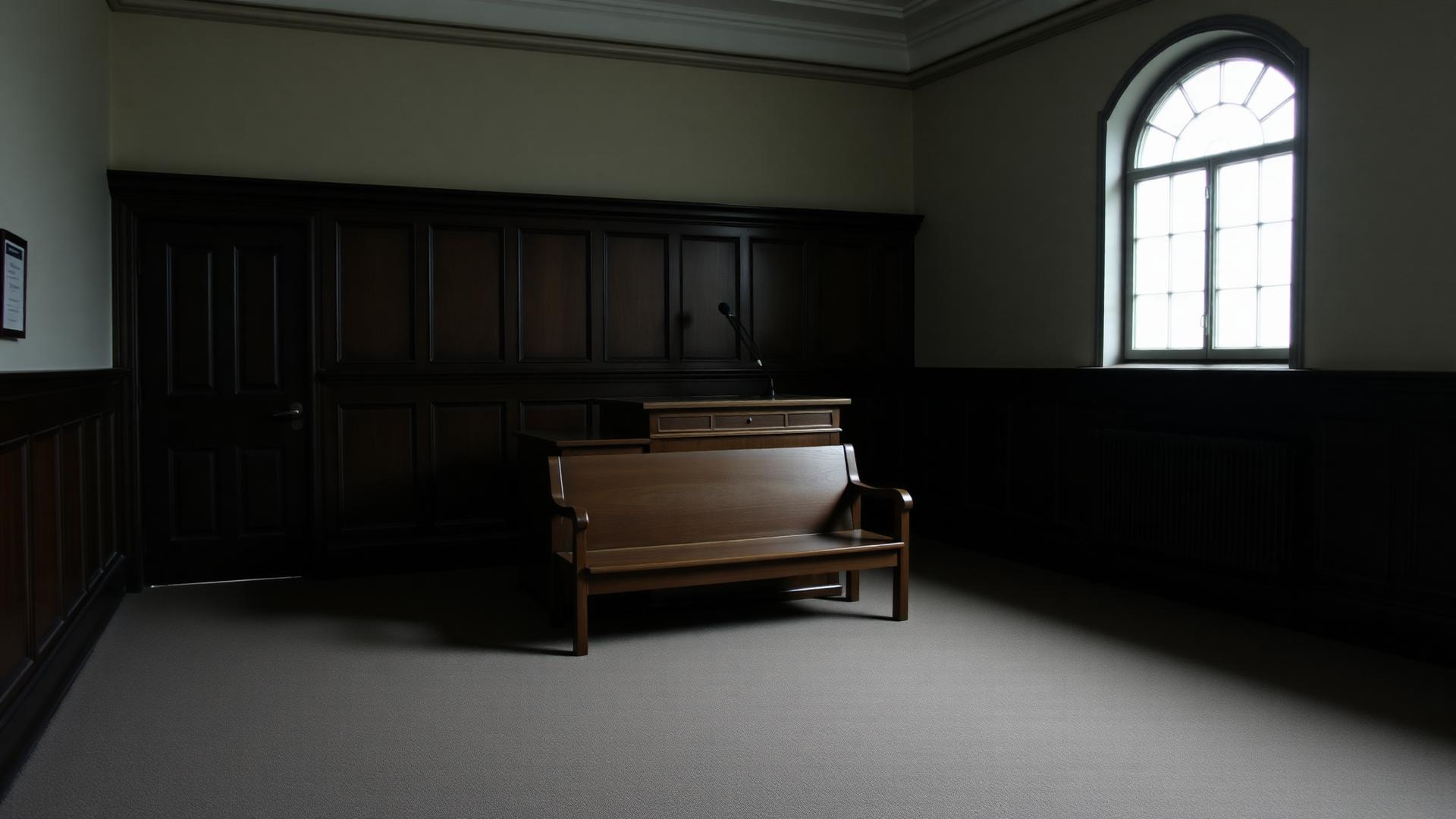
An inquest is not a trial and there is no defendant, but for a bereaved family it can be the only forum where the circumstances of the death are properly examined. The institutions involved, an NHS trust, a prison, a police force, a care provider, will almost always have their own counsel in the room. Being represented is what allows the family's questions to be put properly and the right witnesses to be called.
Clerk&Counsel is a clerking agency. We do not provide legal services ourselves. We identify Public Access qualified counsel with an inquest practice, confirm availability for your hearing date, agree a fixed fee and issue the BSB client care letter. From a first call to a signed engagement is usually 24 to 72 hours. You can send a brief at any time, or read how the Public Access scheme works.
Send the coroner's letter, the pre inquest review notice and any disclosure you have. A clerk will come back with shortlisted counsel and a fixed fee.
Send a brief →What we have learned placing inquest briefs
The pre inquest review is where the work is done. Scope, witness list, expert evidence, disclosure and the question of whether Article 2 is engaged are all decided there. Families who arrive at the final hearing wishing they had pushed harder at the PIR almost always wish they had had counsel at the PIR. The cost of counsel for half a day is small set against a five day hearing where the wrong witnesses are giving evidence.
The second pattern is the regulation 28 report. A prevention of future deaths report does not change the conclusion in your case, but it is often what the family actually wants out of the process: a written record that the coroner thinks something has to change. Counsel will frame submissions on what the evidence supports and which body should receive the report, which materially raises the chance the coroner will write one.
The third pattern is the witness ordeal. Inquests are inquisitorial and the coroner asks the questions first, but cross examination by the family's counsel is what tests the institutional account. A measured, document led cross examination of a senior clinician or a custody officer is a different proposition from an angry one. Counsel will explain to the family beforehand what they will and will not ask, and why.
The honest counterpoint is that some inquests are short, uncomplicated and do not need representation at all. The clerks will say so. The cases where counsel makes the biggest difference are jury inquests, Article 2 cases and any inquest where state bodies are sending their own.
Inquests we cover
Deaths in hospital
Sepsis, surgical complications, missed diagnoses, mental health inpatient deaths and maternity deaths. Article 2 will often be engaged.
Deaths in custody
Prison and police custody deaths, almost always Article 2 and almost always with a jury. State agencies will be represented.
Care home and community
Falls, pressure injuries, medication errors, deprivation of liberty deaths and deaths of vulnerable adults under safeguarding.
Road traffic deaths
Where criminal proceedings have concluded or have not been brought, the inquest is often where the circumstances are first set out in detail.
Workplace deaths
Construction, manufacturing and transport. Often runs alongside an HSE investigation. The inquest may be adjourned pending the criminal case.
Suicide and self harm
Particularly where mental health services were involved, where scope often expands to the care the deceased received in the months before death.
Frequently asked questions
What does an inquest barrister do?
An inquest barrister represents a properly interested person at a coroner's inquest. The four statutory questions the coroner must answer are who the deceased was, and when, where and how they came by their death. In an Article 2 inquest the how question expands to the broader circumstances. Counsel makes opening submissions on scope, cross examines witnesses including police, paramedics, doctors and care workers, makes submissions on the conclusions available and where appropriate invites a prevention of future deaths report under regulation 28 of the Coroners (Investigations) Regulations 2013.
Can a family hire an inquest barrister directly?
Yes. The Bar Standards Board Public Access scheme covers inquest work. Coroners' courts are well suited to direct access because the disclosure is finite, the process is inquisitorial rather than adversarial, and the family's role is well defined. For most family inquests, including jury and Article 2 cases, a direct access brief is workable and much less expensive than a solicitor and counsel team.
How much does an inquest barrister cost?
A one day inquest brief typically sits at £1,500 to £3,500 plus VAT including the pre inquest review and preparation. A three to five day jury inquest into a death in custody or hospital is usually quoted at £8,000 to £18,000 plus VAT for a junior, with daily refreshers for longer hearings. Every figure goes into the BSB client care letter before any work starts. There is no hourly billing on top.
Is legal aid available for inquests?
Exceptional Case Funding is available in narrow circumstances, mainly where Article 2 of the European Convention on Human Rights is engaged. The application process is slow and the grant rate is not high. Many families end up funding privately, where the difference between solicitor led and direct access is substantial. For a typical family inquest, direct access counsel for the pre inquest review and the hearing is the cheaper realistic route to representation.
What is an Article 2 inquest?
An inquest engaging the state's procedural duty to investigate under Article 2 of the ECHR. It typically arises where the deceased was in the care or custody of the state, such as deaths in prison, in police custody, in mental health detention or in some NHS settings. The conclusion in an Article 2 inquest answers a broader question about the circumstances of the death and may include a narrative conclusion. The state bodies will be represented by counsel, which is the main practical reason for the family to be represented too.
How quickly can you put counsel in place?
For a pre inquest review with two or three weeks of notice, we can usually place counsel within five working days. For an urgent pre inquest review or short notice hearing, within 24 to 72 hours. For a longer jury inquest the realistic window is six to twelve weeks before the hearing.
Will the same barrister handle the pre inquest review and the hearing?
Yes, in almost every case. The pre inquest review is where the scope of the inquest is set, the witness list is agreed and the disclosure is checked. The advocate who does that work is the one best placed to run the hearing. Substitution only happens with your written agreement.
Do you cover the whole of England and Wales?
Yes. The barristers we place hold practising certificates regulated by the Bar Standards Board, with rights of audience in every coroner's court in England and Wales. Counsel routinely travels for hearings outside London.
Ready to instruct inquest counsel?
Send the coroner's letter and any disclosure you have. A clerk will respond within one working day with shortlisted counsel and an indicative fee.
Send a brief →