Building a Profile That Attracts the Right Instructions
Your profile is read by people deciding whether to spend thousands of pounds on someone they have never met. Most barrister profiles answer a different question entirely.
The standard barrister profile lists call year, education, appointments and a set of practice areas. It reads as a record of achievement. The person reading it is not assessing achievement. They are asking one question: is this the right person for my case.
Solicitors ask it with a specific matter open in front of them. Lay clients ask it after searching for their exact problem, having found three or four names and no way to distinguish between them. Both are looking for a match, and both give up quickly when the profile does not provide one.
A profile that converts is short, specific about the work, honest about the level, and easy to act on. The changes required are usually small. The effect on enquiry conversion is not.
Panel profiles on Clerk&Counsel are written to be read by clients, with practice detail, fee guidance and a direct enquiry route.
Apply to join →Who is reading, and what they are looking for
A solicitor allocating a case has a shortlist and a deadline. They scan for the practice area, for evidence of the specific issue, for availability and for a rough sense of fee level. Anything that does not help them make the decision is skipped. Appointments and academic history matter only where they bear on the case type.
A lay client has less confidence and more anxiety. They want to know that you handle their kind of problem, that you have done it before, what it is likely to cost and what happens if they make contact. They are also deciding whether you seem like someone they can talk to, which is why tone matters more in direct access work than practitioners expect.
Both audiences read the first three lines and then decide whether to continue. If those lines say only the call year and a list of six practice areas, most readers leave. If they say what you do, for whom and with what experience, the rest of the profile gets read.
The two audiences can be served by one profile if it leads with the work rather than the credentials. Solicitors do not object to plain language. Lay clients cannot decode anything else.
Lead with the work
The first sentence names the practice area and the type of case, not the call year.
Show the specifics
Anonymised examples of cases and issues, not adjectives about your approach.
Address cost
A fee range or a statement that fixed fees are available removes the largest barrier to contact.
Make contact easy
One clear route to an enquiry, with a realistic response time.
What belongs in the profile
Open with a single sentence that states your area and the kind of matter you take. Something as plain as acting for employers and senior employees in tribunal claims and settlement negotiations tells a reader more than a paragraph about a broad and varied practice.
Follow it with evidence. Three to six anonymised examples of recent work, each one line, are worth more than any description of your qualities. A reader with a similar case recognises it immediately, and recognition is what produces the enquiry.
Then the practical information: the courts and tribunals you appear in, the regions you cover, whether you accept direct access instructions, your availability pattern and an indication of fees. Practitioners often leave fees out entirely. Lay clients then leave the page and contact someone who did not.
Keep appointments, publications and academic history, but place them after the working detail. They confirm a decision that has already been provisionally made. They rarely start one.
Writing it so a client can actually use it
Write in the language the reader would use. A client searching for help with a contested will does not search for contentious probate, and does not recognise the term when they see it. Using both, naturally, in the same paragraph serves the reader and also makes the profile findable.
Avoid the phrases that appear on every profile. Being described as approachable, robust, commercially minded and a formidable advocate is meaningless because everybody claims it. Replace each with a fact. Instead of approachable, state that you respond to enquiries the same working day. Instead of robust, name a hearing type you conduct regularly.
Keep sentences short and paragraphs to three or four lines. Most profiles are now read on a phone, often late at night by a worried client. Dense blocks of text do not get read at all.
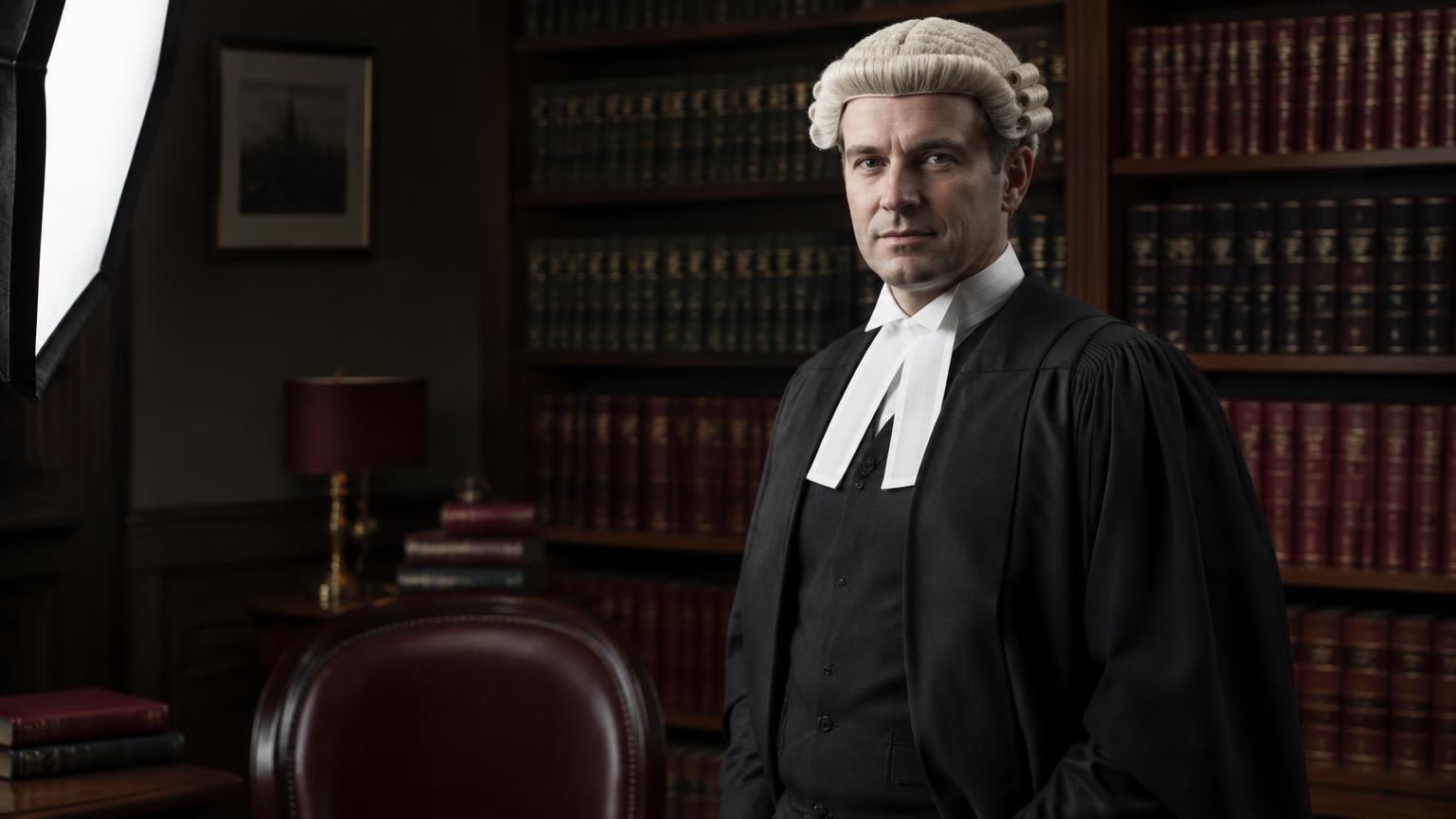
Use a good photograph. It has no bearing on ability and considerable bearing on whether a lay client makes contact. A recent, well lit, professional image in ordinary professional dress works better than a distant photograph in robes for direct access audiences.
Saying the same thing everywhere
Most practitioners have a profile in several places: a chambers page, a directory entry, a professional network, a personal site and any panel listings. Where these disagree, the reader believes the least impressive version, and search engines struggle to establish what you specialise in.
Set one primary description and reuse it. Adjust the length for each platform but keep the practice area wording identical, because that is the phrase readers and search engines use to identify what you do.
Update after every significant matter. A profile listing recent work from four years ago suggests a practice that has stalled, whatever the truth. A quarterly ten minute review keeps the examples current.
Check what appears when your name is searched. That result is your real profile, whatever your chambers page says, and if it is an out of date directory entry then that is what instructing clients are reading.
Staying within professional obligations
Everything in a profile must be accurate and capable of substantiation. Bar Standards Board rules require that public statements are not misleading, which means no implied guarantees of outcome, no claims of expertise that the practice does not support, and care with statistics about success rates.
Case examples must respect confidentiality and any reporting restrictions. Anonymise properly, describe the issue rather than identifying the parties, and take particular care with family, criminal and regulatory matters. If in doubt, describe the type of case rather than a specific one.
Be precise about status. If you are authorised to accept Public Access instructions, say so. If you are not, do not use wording that suggests clients can instruct you directly. The same applies to any claim to be able to conduct litigation, which requires separate authorisation.
Testimonials from clients are permitted within the rules but must be genuine and not misleading. Anonymised feedback from professional clients is generally the safest and most persuasive form.
Frequently asked questions
What should a barrister profile include?
A one sentence statement of the practice area and case types, several anonymised examples of recent work, the courts and regions covered, whether direct access instructions are accepted, an indication of fees, availability and a clear contact route. Appointments, publications and education belong after that practical detail.
How long should a barrister profile be?
Around three hundred to six hundred words for a full profile, with the essential information in the first hundred. Longer profiles are read only by people who have already decided you might be right. The opening lines do almost all of the work.
Should a barrister publish their fees?
For direct access work, publishing a fee range or stating that fixed fees are available significantly increases enquiries, because cost uncertainty is the main reason lay clients do not make contact. Transparency rules also require certain price and service information to be published where Public Access services are offered.
Can a barrister include case examples in a profile?
Yes, provided confidentiality and any reporting restrictions are respected and the description is accurate. Anonymise the parties and describe the issue rather than identifying details. Reported cases can be named where they are already public.
Does a barrister need a photograph?
For direct access work it makes a measurable difference, because lay clients are choosing a person to talk to about something stressful. A recent, well lit professional photograph in ordinary professional dress generally works better with lay audiences than a formal image in robes.
Want a profile in front of clients who are searching?
Panel barristers get a client facing profile, placement in the relevant practice area pages and enquiries routed by our clerks.