Barrister for leasehold disputes
A disagreement about a flat can involve the lease, service charges, management obligations or enforcement. Start by identifying the legal question and the outcome you need, rather than assuming every dispute belongs in the tribunal.
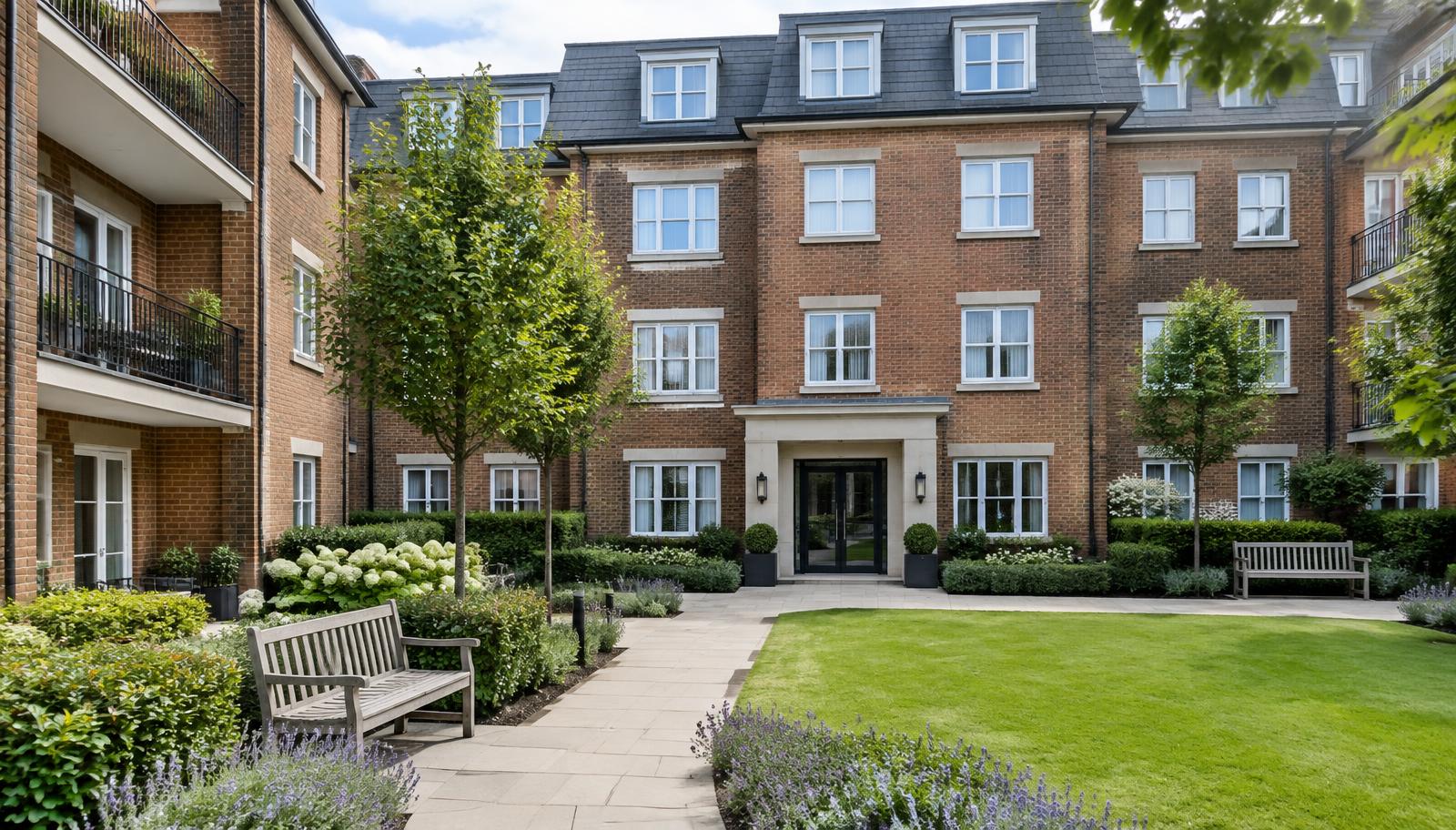
Different leasehold problems need different solutions
Leasehold disputes can concern the terms of a lease, expenditure, the performance of obligations or restrictions on the use of a property. A leaseholder may want an explanation of a demand, clarification about consent or help responding to allegations of breach. The legal route depends on the specific question. A complaint about slow management communication is not necessarily the same as a claim for a determination of liability. Identify the desired outcome before choosing a procedure or commissioning extensive legal work.
This page focuses on assessing a dispute involving an existing residential lease. Buying a freehold, extending a lease and exercising collective management rights involve their own statutory routes and specialist requirements. Those matters should not be assumed to fit a general service-charge instruction. Tell the clerks if the enquiry concerns one of those processes so they can identify the appropriate expertise. The fact that a barrister works in property law does not establish experience in every leasehold remedy.
Read the whole lease and identify the parties
Provide the complete executed lease, including plans, schedules and any variations. An extract supplied by a managing agent may omit a definition or qualification that changes the interpretation. Explain who holds the freehold and whether a management company is party to the lease. If the property has changed ownership or a new agent has taken over, include the relevant notices and correspondence. The legal obligation may sit with a different organisation from the person who answers routine management emails.
Where several leaseholders face the same issue, their leases may not be identical. Different dates, variations or apportionment clauses can affect the analysis. Establish whose documents are being reviewed and who is giving instructions. A group should agree its objectives, funding and authority to make decisions before asking counsel to act. Shared frustration is not a substitute for a clear client arrangement, and an opinion on one lease should not automatically be circulated as an assessment of every flat.
Separate interpretation from factual disagreement
An interpretation question asks what the lease permits or requires. A factual disagreement asks what was done, what happened or what evidence supports an allegation. Both may arise together, but require different preparation. For example, a dispute about recovering expenditure may involve a lease provision and an argument about the work undertaken. Counsel can help identify which point is decisive and whether further evidence is necessary. That avoids spending money proving a fact that does not affect the contractual issue.
Gather the demands, correspondence, permissions, inspection material and earlier decisions relevant to the dispute. Prepare a chronology and an issue list rather than an unstructured file of every communication since purchase. Include documents that appear to favour the other side; an assessment should address the real case, including its weaknesses. If an allegation concerns conduct in the flat, distinguish first-hand evidence from what a neighbour or agent has reported. Identify witnesses who can explain the relevant events directly.
Choosing the forum and remedy
The First-tier Tribunal (Property Chamber) deals with particular residential property matters in England, including service-charge determinations within its jurisdiction. It is not a universal court for every lease dispute. Other claims or remedies may require the County Court or another procedure. Counsel can advise on jurisdiction, parties and the relief available before you submit an application. Using the wrong forum can waste fees and time even where the underlying complaint deserves consideration.
If proceedings are already issued, include the application, response, directions and hearing notice. Do not assume that starting a management complaint or tribunal application will pause a separate court claim. Orders and deadlines remain important unless changed through the proper process. If the building is in Wales, state that clearly: the relevant tribunal arrangements differ. A useful opinion should identify the legal route for the building and issue, rather than applying English forum names indiscriminately across the United Kingdom.
Lease enforcement and payment require care
A threat involving arrears, alleged breach or forfeiture should be reviewed promptly. Enforcement rules and protections are complex and cannot be assessed from the tone of a letter alone. Send the actual notice, demand or claim, along with the lease and account. Do not respond by withholding all payments or admitting liability without understanding the consequences. There may be a distinction between disputing the amount, preserving rights and complying with an obligation while seeking determination.
Some disputes can be resolved through a targeted explanation, correction of the account or carefully worded agreement. Others need a determination because the point recurs or materially affects the property. Consider whether the proposed remedy solves the problem: a finding about a particular charge may not require the landlord to change every aspect of management. Ask counsel to explain the practical effect of an application and any matters that would remain unresolved even after a favourable decision.
Advice, drafting or representation
A first conference or written opinion can establish the likely route and the work needed. Drafting can turn an issue into a clear application, response or statement. Hearing representation is a separate instruction with preparation against the documents and tribunal or court directions. Agree each stage in writing rather than assuming a one-off advice fee covers the entire dispute. If substantial correspondence, disclosure or enforcement management is needed, a solicitor may be required alongside the barrister.
Paul Ekperigin's stated experience includes landlord and tenant, housing, civil litigation and representing leaseholders in section 27A service-charge hearings. He can be asked to consider enquiries that fit those established areas. This page does not attribute lease-extension valuation, enfranchisement or every form of specialist leasehold litigation to him. The clerks should assess the issue first and identify suitable counsel, whether Paul or another panel member, subject to conflicts and availability. Matching is about the actual case, not a broad label.
Budget for the real value of the dispute
Compare the amount at stake with the practical importance of the point and the likely cost of the next step. A recurring obligation may be worth clarifying even if the first demand is modest. Conversely, a heavily contested argument about a small one-off charge may call for limited advice rather than a long hearing. Review tribunal fees, experts, representation and potential costs clauses in the lease. No general guide can guarantee that leasehold proceedings carry no costs exposure.
Provide the key documents securely and avoid sending unrelated personal information about neighbours or household members. Where a group wants advice, identify the authorised contact and the scope agreed by the participants. Tell the clerks about impending sale, mortgage, court or tribunal dates if they affect urgency, without assuming that a transaction deadline guarantees counsel can complete the work immediately. A realistic timetable and a focused brief help produce a quote for a useful piece of work.
Fees, scope and requesting a quote
It is free to submit an enquiry to Clerk & Counsel. If you instruct a barrister through us, our service fee of up to £150 depending on urgency is clearly shown separately from the barrister’s professional fee before you decide. Barristers may also pay us separately for clerking and administrative services, separate from your fee. Clerk & Counsel is an intermediary and clerking service, not a provider of legal advice or representation. The independent barrister is responsible for the legal services provided.
As a broad guide, attendance at a short hearing in most cases starts around £1,000, while a one-day contested hearing with a standard-experience barrister is commonly around £2,500 plus VAT. These are indicative figures, not offers or guaranteed minimum quotes. The actual fee depends on counsel’s availability, experience, the papers, complexity and urgency. A quote should identify preparation and the discussion with the client beforehand, and distinguish any additional drafting, expert fees, court or tribunal charges and later work. Written advice and conferences are scoped and quoted separately.
Common questions
Is every leasehold dispute decided by the Property Chamber?
No. Jurisdiction depends on the issue and remedy. Some matters require court proceedings or a separate statutory process.
Can several flat owners instruct together?
Potentially. Agree who the clients are, who can give instructions, what issues are shared and how costs will be funded.
Can I request Paul for a leasehold enquiry?
Yes. The clerks will check whether the precise issues fit his landlord and tenant, civil and section 27A experience.
Further reading: Section 27A: service-charge liability · First-tier Tribunal (Property Chamber)
Clerk & Counsel is an intermediary and clerking service. We do not provide legal advice or legal representation. Barristers instructed through Clerk & Counsel are independent legal professionals regulated by the Bar Standards Board and are responsible for the legal services they provide. It is free to submit an enquiry; if you instruct a barrister through us, our service fee of up to £150 depending on urgency is shown separately from the barrister's professional fee before you decide.
Related pages