Judicial review barristers
Judicial review lets you ask the High Court to look at whether a public body made a decision lawfully. It is fast-moving and strictly time-limited, so early advice from a specialist barrister matters.
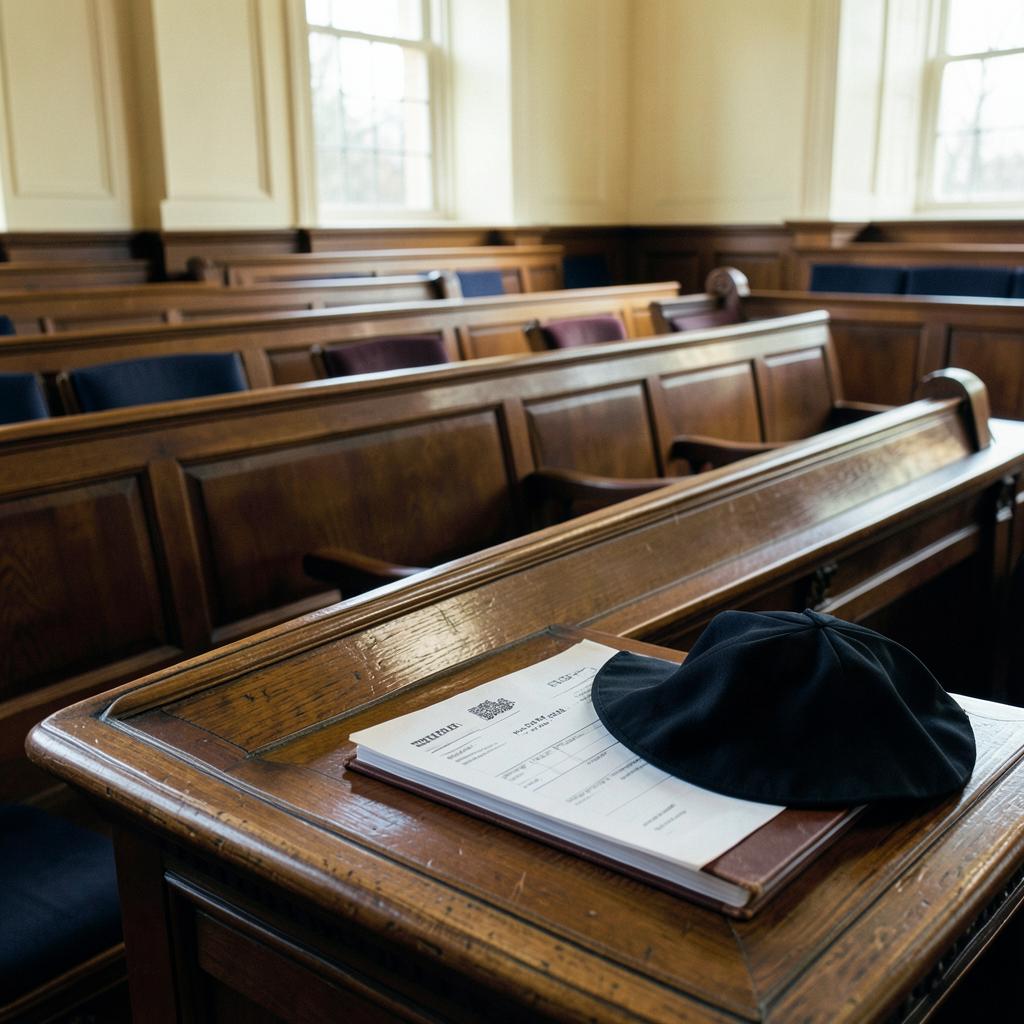
What judicial review is, and what it is not
Judicial review is a claim in the Administrative Court, part of the High Court, asking a judge to review the lawfulness of a decision, action or failure to act by a public body. Typical defendants are councils, government departments, the Home Office, NHS bodies, schools and academies, regulators, prisons, the police and some tribunals.
It is not an appeal. The court does not ask whether the decision was right or whether it would have reached the same view. It asks whether the decision-maker acted within its powers, followed a fair procedure, took the right things into account, and reached a decision that a reasonable body could reach. If the claim succeeds, the usual result is that the decision is quashed and must be made again properly.
That distinction shapes everything. A good judicial review barrister will tell you frankly if your complaint is really a disagreement with the outcome, and whether another route, such as a statutory appeal, a complaint to an ombudsman or a tribunal, would serve you better.
The main grounds of judicial review
Illegality
The body misunderstood the law, acted beyond its powers, or used a power for the wrong purpose.
Irrationality
The decision was so unreasonable that no reasonable decision-maker could have reached it, or the reasoning does not hold together.
Procedural unfairness
There was no proper consultation, you were not given a chance to respond, or the decision-maker was biased.
Legitimate expectation
The body made a clear promise or followed a settled practice and then departed from it unfairly.
Human rights
The decision breached your rights under the Human Rights Act, for example Article 8 or Article 14.
Equality duties
The body failed to have due regard to the public sector equality duty when making the decision.
How a judicial review claim runs
Time is the first issue. A claim must be issued promptly and in any event within three months of the grounds arising. Planning challenges must be issued within six weeks, and procurement challenges within 30 days. Courts are strict, and waiting until the end of the period can itself count as delay.
Before issuing, you send a pre-action protocol letter setting out the decision, the grounds and what you want the body to do. The body normally has 14 days to reply. A well-drafted letter from a barrister often leads to the decision being withdrawn or reconsidered without proceedings.
If not, the claim is issued with a statement of facts and grounds. A judge decides on the papers whether to grant permission, which is the main filter: many claims are refused at this stage. If permission is refused on the papers, you can ask for an oral renewal hearing. If permission is granted, the case proceeds to a full hearing, usually several months later. Urgent cases, for example involving homelessness or removal from the UK, can be expedited and interim relief sought.
Costs risk and barrister fees
In judicial review, the loser normally pays the winner's reasonable costs. If permission is refused, your liability is usually limited to the defendant's costs of preparing its acknowledgment of service. Environmental claims under the Aarhus Convention have capped costs, and cost capping orders are available in some public interest cases. Legal aid may also be available for some claims.
Barrister fees for an initial opinion on merits typically start from around £1,000 to £2,500 plus VAT. Drafting a pre-action letter, or a statement of facts and grounds, is quoted according to complexity, and a substantive hearing is usually from around £2,500 plus VAT per day for experienced junior counsel, more for senior counsel. Every fee covers preparation and is agreed in writing before work starts.
Instructing a judicial review barrister
Many judicial review barristers accept direct instructions from individuals, community groups and businesses under the Public Access scheme, particularly for advice and pre-action letters. Where proceedings are issued, counsel may recommend a solicitor or a litigation-authorised barrister to deal with filing and service. We will tell you what fits your case.
Send us the decision, the date you received it, and any correspondence. We will match you with counsel experienced in that area of public law and confirm the fee before you decide. Clerk & Counsel is an intermediary and clerking service; the barristers we place are independent and regulated by the Bar Standards Board.
Common questions
What is the time limit for judicial review?
Promptly and in any event within three months of the decision. Planning cases have six weeks and procurement cases 30 days. Do not wait until the deadline, as delay alone can defeat a claim.
Can a judicial review barrister act without a solicitor?
Yes for advice, pre-action letters and often hearings, under the Public Access scheme. For issuing and running the claim, counsel may recommend a solicitor or a litigation-authorised barrister.
What happens if I win a judicial review?
Usually the decision is quashed and the public body must make it again lawfully. The court can also make declarations, mandatory orders and, in limited cases, award damages.
How much does a judicial review cost?
Counsel's opinion often starts from around £1,000 to £2,500 plus VAT and a hearing from around £2,500 plus VAT per day. You may also be ordered to pay the other side's costs if you lose, which your barrister will explain.
Is judicial review the right route for me?
Not always. If there is a statutory appeal, a tribunal or an ombudsman, those usually come first. A barrister will advise on the most effective route.
Clerk & Counsel is an intermediary and clerking service. We do not provide legal advice or legal representation. Barristers instructed through Clerk & Counsel are independent legal professionals regulated by the Bar Standards Board and are responsible for the legal services they provide. It is free to submit an enquiry; if you instruct a barrister through us, our service fee of up to £150 depending on urgency is shown separately from the barrister's professional fee before you decide.
Related pages