Detailed assessment hearing
When parties cannot agree the amount of legal costs one must pay the other, the court decides at a detailed assessment. Here is how the process works and when specialist advocacy is worth it.
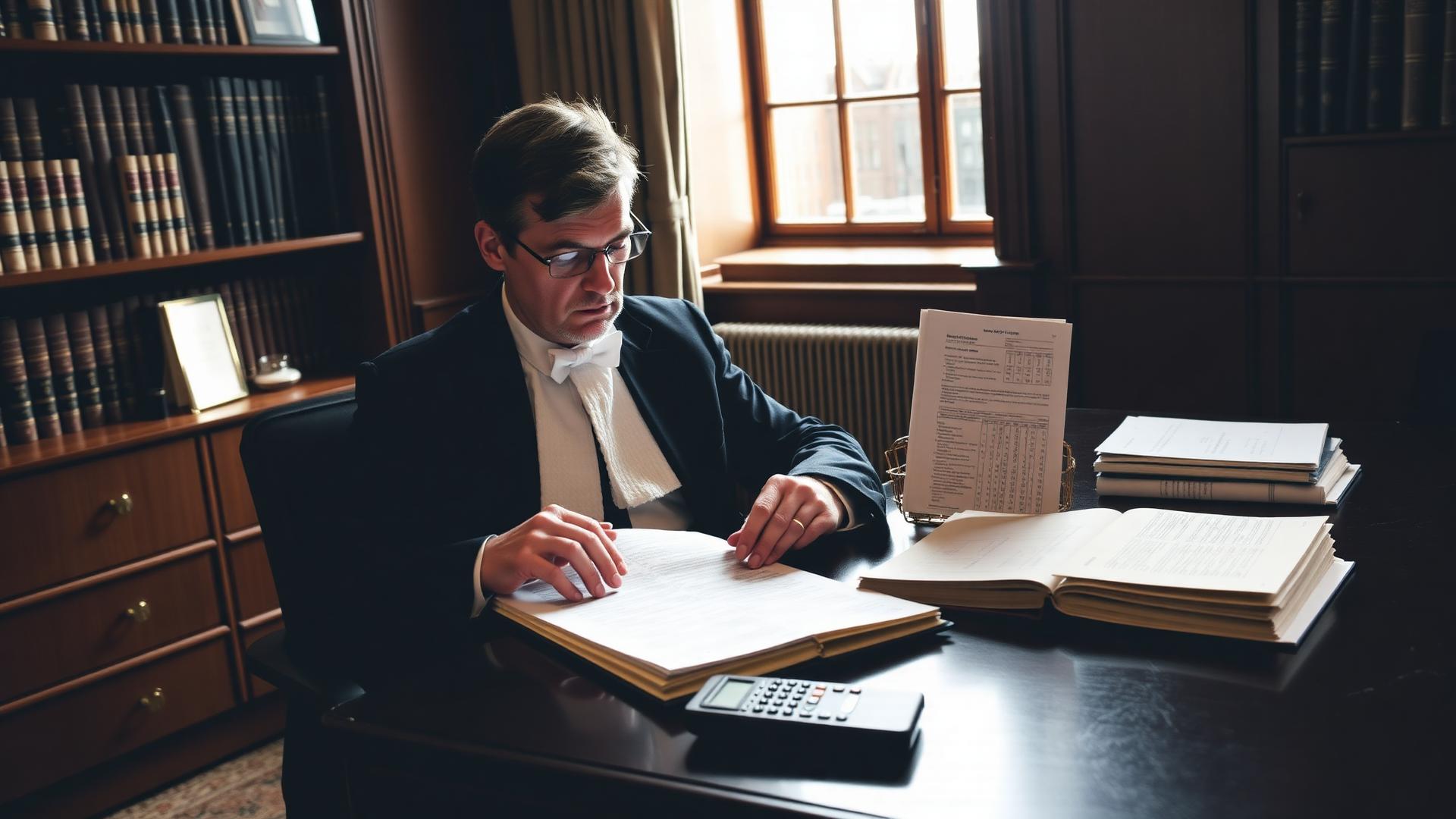
What is a detailed assessment?
At the end of a case, the court often orders one party to pay another's legal costs. If the amount is not agreed, the receiving party starts detailed assessment proceedings under Part 47 of the Civil Procedure Rules. A costs judge or district judge then goes through the bill and decides what is reasonable, and in some cases proportionate, for the paying party to pay.
Detailed assessment is different from summary assessment, where the judge decides costs on the spot at the end of a short hearing. It is used for larger bills, for trials lasting more than a day, and wherever the court orders it. In the Senior Courts Costs Office in London and in county court hearing centres around the country, assessments can involve bills of a few thousand pounds or several million.
Steps before a detailed assessment hearing
Notice of commencement
The receiving party serves a notice of commencement (Form N252) with the bill of costs, normally within three months of the costs order.
Points of dispute
The paying party has 21 days to serve points of dispute identifying the items challenged and why. If none are served, the receiving party can apply for a default costs certificate.
Replies
The receiving party may serve replies within 21 days, responding to the points raised.
Request for assessment
The receiving party files a request for a detailed assessment hearing (Form N258) with the court fee and supporting papers.
Provisional or oral assessment
Bills of £75,000 or less are usually dealt with on paper by provisional assessment. Larger bills go to an oral hearing.
Offers
Either side can make offers to settle the costs. Well-judged offers shift the costs of the assessment itself and often lead to agreement.
What happens at a detailed assessment hearing
The judge works through the points of dispute in turn. Typical arguments include the hourly rates claimed, the grade of fee earner used, time spent on documents and attendances, counsel's and experts' fees, success fees and ATE premiums, and whether the overall figure is proportionate to the value and complexity of the case. Under the standard basis, doubt about whether a cost was reasonably incurred is resolved in favour of the paying party.
Hearings can last from an hour to several days. The advocate must know the file, the rules and the case law on costs, and be able to respond quickly as the judge rules on each item. After the hearing, the receiving party prepares a final costs certificate, and either side may be ordered to pay the costs of the assessment proceedings depending on the outcome and any offers.
Where a party is unhappy with a provisional assessment, they can request an oral review within 21 days. Costs of a provisional assessment are generally capped, so it is important to take advice on whether a review is worth pursuing.
Costs barristers and costs lawyers
Detailed assessment is a specialist field. Costs lawyers, regulated by the Costs Lawyer Standards Board, prepare bills, points of dispute and replies and often appear at hearings. Costs barristers are typically instructed for higher-value or legally complex assessments, points of principle such as retainer and indemnity challenges, and appeals. Many cases use both: a costs lawyer for the drafting and negotiation, and counsel for the hearing.
We can place an experienced costs barrister for your detailed assessment hearing, or refer you to one of our recommended costs firms for drafting and negotiation. Fees for hearings are usually quoted as a fixed sum per day or half-day, including preparation, and depend on the size of the bill and the barrister's availability. Attendance typically starts from around £1,000.
Enquiring is free. If you instruct a barrister through us, our service fee of up to £150 depending on urgency is shown separately from the barrister's professional fee before you decide.
Common questions
What is a detailed assessment hearing?
It is a hearing where a costs judge decides how much of one party's legal costs the other must pay, working through the bill of costs and the points of dispute item by item under CPR Part 47.
How long do I have to serve points of dispute?
Points of dispute must normally be served within 21 days of service of the notice of commencement. If you miss the deadline, the receiving party can seek a default costs certificate.
What is a provisional assessment?
For bills of £75,000 or less, the court usually assesses costs on paper without a hearing. Either party can then ask for an oral review within 21 days, but costs of the provisional assessment are capped.
Do I need a barrister for a detailed assessment hearing?
Not always. Costs lawyers handle many assessments. A costs barrister is often worth instructing for high-value bills, disputed points of principle, or appeals.
Who pays for the detailed assessment itself?
Usually the receiving party recovers the costs of the assessment, but the court can order otherwise, especially where a reasonable offer was refused or the bill was significantly reduced.
Clerk & Counsel is an intermediary and clerking service. We do not provide legal advice or legal representation. Barristers instructed through Clerk & Counsel are independent legal professionals regulated by the Bar Standards Board and are responsible for the legal services they provide. It is free to submit an enquiry; if you instruct a barrister through us, our service fee of up to £150 depending on urgency is shown separately from the barrister's professional fee before you decide.
Related pages