What Is a Case Management Hearing?
A practical guide for clients on what to expect, how to prepare, and why the hearing matters for your case.
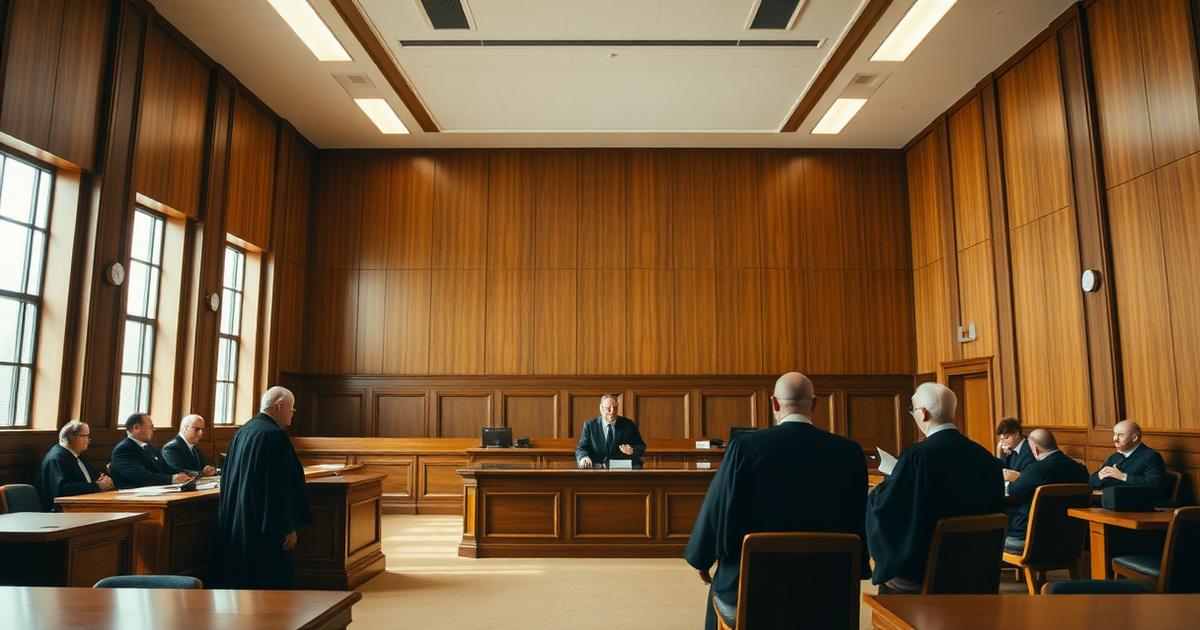
If you are involved in civil litigation, or you are going through family or commercial court proceedings, you will almost certainly come across a case management hearing. Many clients hear this term for the first time when a letter arrives from the court, or when their solicitor mentions it in passing, and they are left wondering what it actually means and whether they need to attend.
What is a case management hearing?
A case management hearing is a procedural court appointment where a judge reviews how the case is progressing and makes directions to move it forward efficiently. It is not a trial. No evidence is given, no witnesses are cross-examined, and no final decisions are made about who wins or loses. Instead, the court uses this hearing to take stock of what has happened so far, identify what still needs to be done, and set a timetable for the remaining steps.
The purpose is simple. Courts in England and Wales have heavy lists, and judges do not want cases to drift. A management hearing acts as a checkpoint. The judge will look at the papers, listen to both sides, and then issue directions. These directions are formal instructions telling each party what documents to file, what evidence to prepare, and what deadlines to meet. If one side has been slow to respond, or if issues have become more complicated than first thought, the judge can adjust the schedule and refocus the parties on what really matters.
Case management hearing or case management conference?
In some courts, particularly in the civil and commercial divisions, you may see this referred to as a case management conference, often shortened to CCMC or CMC. The two terms mean the same thing. Whether your notice says hearing or conference, the purpose is identical. The judge is managing the case, not deciding it.
What happens at a case management hearing?
What actually happens on the day depends on the type of case and the court, but the structure is usually predictable. Both parties, or their legal representatives, attend before the judge. In direct access cases, a barrister may appear for you without a solicitor being involved. The judge will have read a short case summary prepared by the parties, so the discussion can focus on what needs to happen next rather than rehashing the history of the dispute.
The barrister or solicitor for each side will briefly update the judge on progress. They may flag any disputes about disclosure, raise questions about expert evidence, or ask for more time to prepare a witness statement. The judge then makes decisions, often verbally in court, and those decisions are recorded in a court order. The order is binding. If it says you must serve a witness statement by a certain date, you must do so, or you risk sanctions.
How to prepare for a case management hearing
Preparation is key. Before the hearing, the court will usually expect the parties to file documents that help the judge understand the state of the case. A case summary is standard. This is a short document, often limited to a few pages, setting out the nature of the claim, the issues in dispute, and what still needs to be resolved. It should be factual, focused, and neutral in tone. The judge reads it to get up to speed quickly, so clarity matters more than persuasion at this stage.
You may also be asked to prepare a draft order, a chronology, or a costs budget. In multi-track cases, the court will expect strict compliance with the Civil Procedure Rules on costs management. If you are representing yourself, or if you are a litigant in person, the court will be understanding but will still expect you to follow the rules. The hearing itself is a formal setting, and the judge will run it with the same seriousness as any other court appointment.
Time limits and directions
Time limits are taken seriously. When the court sets a deadline for filing a witness statement or for completing disclosure, that deadline is real. Missing it can lead to adverse costs orders, or even to your evidence being excluded. If you genuinely cannot meet a deadline, you should apply for an extension before the date passes, not after. Judges are far more sympathetic to advance requests than to apologies after the fact.
Case management hearings in family court
The same principles apply to case management hearings in family proceedings. If you are involved in financial remedy proceedings or a contested children matter, the first appointments and the financial dispute resolution hearings all serve a case management function. The judge wants to know whether agreements are possible, what issues remain, and what evidence is needed. A direction for a witness statement in a family case might cover your financial circumstances, or it might relate to a section 7 report and the views of the children. Either way, the principle is the same. The court sets the timetable, and both parties are expected to keep to it.
Do you have to attend a case management hearing?
One area where clients often feel anxious is whether they need to speak at the hearing themselves. In most instances, your legal representative will do the talking. If you have a barrister, they will present your position, respond to the other side, and answer the judge's questions. You may sit behind them, or you may attend remotely if the hearing is by video. The judge may occasionally ask you a direct question, but the bulk of the advocacy is handled by your representative.
Remote and video case management hearings
Remote hearings have become common since the pandemic, and many case management conferences are now held by telephone or video link. The format is more compressed, but the substance is unchanged. You still need to prepare, you still need to have your papers in order, and you still need to be ready to address the judge if asked. The practical difference is that you will be attending from your home or office rather than from a courtroom waiting area.
What happens after a case management hearing?
After the hearing, you should receive a copy of the order setting out the directions. Read it carefully. Make sure you understand each step and the dates attached. If anything is unclear, ask your barrister or solicitor to explain it. Keep the order with your court papers, because you will need to refer back to it as the case progresses. In longer running cases, a further case management hearing may be listed later down the line to check progress, deal with expert evidence or reset the trial window if anything has slipped.
Costs at a case management hearing
Costs are also discussed at many management hearings. If one party has caused unnecessary delay, or if an application was made that the judge considers unhelpful, the judge may make a costs order there and then. Alternatively, the judge may order that costs be reserved to the trial judge, meaning they will be dealt with at the end of the case. Either way, you should be aware that costs are live at every stage, not just at the conclusion.
Can a case be dropped at a case management hearing?
It is unusual, but it can happen. If the pleadings disclose no real cause of action, if the claim has no realistic prospect of success, or if a party has failed to comply with earlier orders, the judge has the power to strike out a claim or enter judgment at a case management hearing. More often, the hearing simply narrows the issues. A well-run case management hearing can save months of delay. It forces both sides to confront what they actually need to prove, what evidence they can realistically obtain, and how long the remaining steps will take. It also gives the judge an early opportunity to narrow the issues. Sometimes a case looks complicated on paper, but after a short discussion in court, the parties realise that only one or two points are truly in dispute. The judge can then tailor the directions accordingly, saving everyone time and money.
Getting a barrister for your case management hearing
If you are a litigant in person, attending a case management hearing without a lawyer can feel daunting. The courtroom etiquette, the terminology, and the pressure of representing yourself are all real challenges. That is one reason why many clients choose to instruct a barrister under the direct access scheme for procedural hearings as well as trials. A barrister can help you prepare the case summary, draft the order, and speak for you in court. Even limited involvement at this stage can set the tone for the rest of the case.
At Clerk and Counsel, we help clients find a barrister to attend a case management hearing, whether you need someone to handle the whole hearing or simply to advise you beforehand so you know what to expect. If you would like to discuss instructing counsel for an upcoming hearing, you can send us a brief through our find counsel page or contact us directly. For more on instructing counsel for the hearing itself, see our case management hearing barrister page.
Need to instruct counsel on a matter discussed here? Send us a brief or browse our find counsel page.