How to Start a Barristers' Chambers
A practical guide for individual barristers planning a new set in England and Wales.
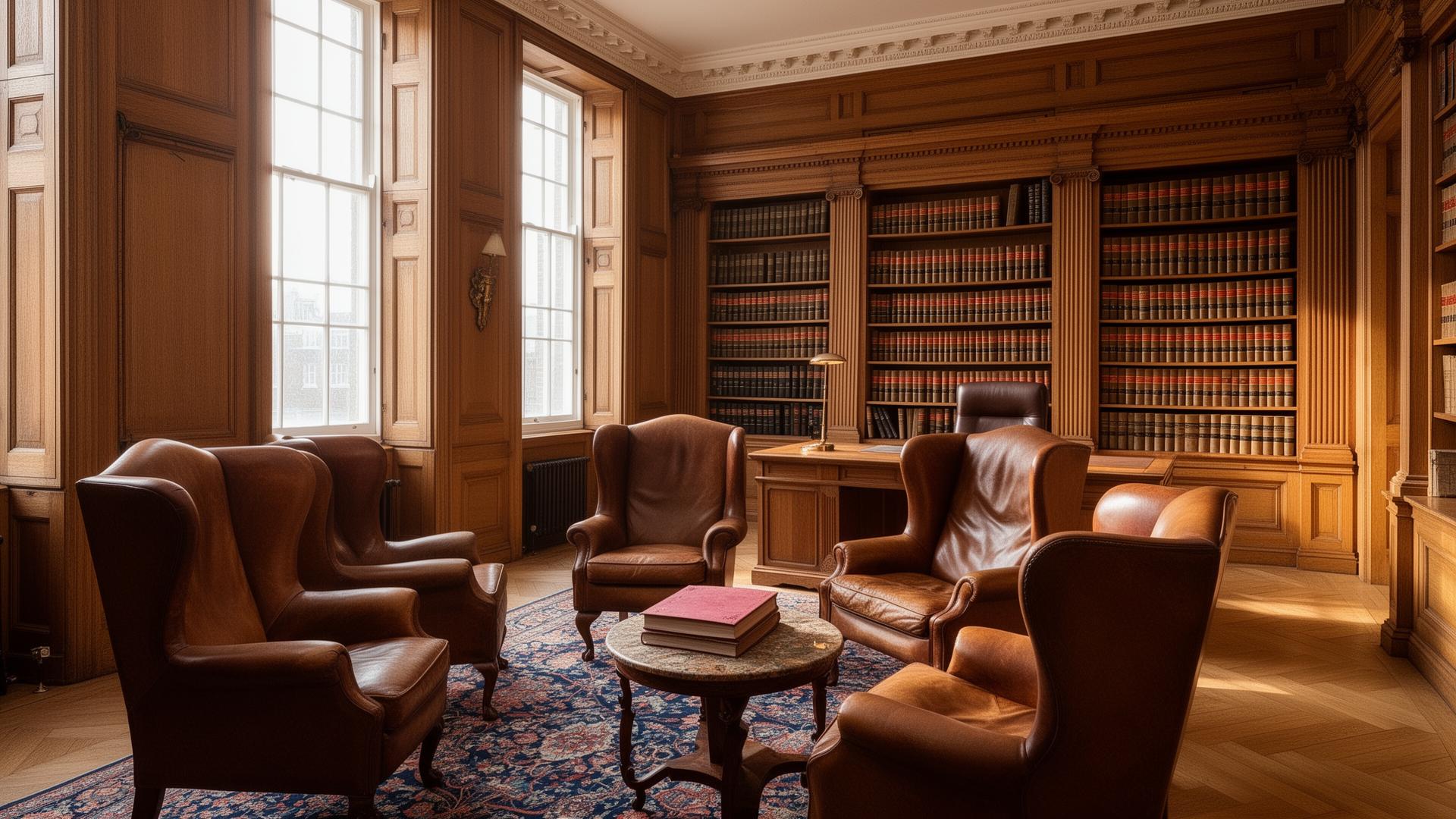
Starting a new barristers chambers in England and Wales is less like opening a law firm and more like founding a small federation. Individual barristers remain self-employed and personally regulated, yet they pool premises, clerking and brand under one roof. The decision to build that roof from scratch — rather than join an established set or practise as a sole practitioner — is one of the more significant a career at the Bar can take.
Why a new set, and why now
Most barristers begin their career at the Bar through pupillage in an existing chambers, called to the Bar by one of the four Inns of Court — Lincoln''s Inn, Inner Temple, Middle Temple or Gray''s Inn. Some later leave to practise alone, becoming a sole practitioner with their own Bar Standards Board (BSB) authorisation. A new chambers sits between those two models: a group of like-minded barristers who want the efficiency of shared infrastructure without the politics of a legacy set.
Common triggers include a specialist practice area outgrowing a generalist chambers, a desire to modernise fee models, geography (a regional centre underserved by London-centric sets) or a generational shift where senior juniors and silks want to design the operating model themselves rather than inherit one.
Get the structure right first
A chambers is not a partnership and not a law firm. Each member is independently authorised by the BSB and personally liable for their own work and insurance. What you are actually setting up is a cost-sharing vehicle. The two common forms are:
- Unincorporated association governed by a constitution and members'' agreement. Cheaper to run, more flexible, the traditional choice.
- ServiceCo — a limited company owned by the members that employs the clerks and staff and contracts with members for services. Cleaner from a tax, employment and IP perspective, and increasingly the default for new sets.
Whichever you choose, the foundation documents need to cover contribution rates (usually a percentage of receipts), admissions and expulsions, decision-making thresholds, what happens on death or retirement, and ownership of the chambers'' name and goodwill. Take advice from solicitors who specialise in professional services structures — getting this wrong is expensive to unwind.
Regulatory and professional housekeeping
Although the chambers itself is not authorised by the BSB, the regulator expects to be told. Notify the BSB of the new set, its address and its members. Each barrister must hold a current practising certificate, professional indemnity insurance via BMIF, and a complaints procedure compliant with the BSB Handbook. AML supervision applies if any member accepts instructions in scope. Register the chambers with the ICO for data protection and put a written GDPR policy in place from day one.
Keep at least one of your founding members closely involved with the relevant Inn of Court. Inn relationships still matter for pupillage funding, scholarships, and the credibility signals that solicitors and lay clients quietly look for.
Premises, technology and the clerks'' room
The romantic image of a Georgian set in the Temple is one option; a serviced floor in Manchester or Leeds with full video conferencing is another. What matters is that the address is professional, conflict-checked space exists for in-person conferences, and the technology supports remote hearings, secure document handling and a modern practice management system.
Hiring senior clerks is the single most important commercial decision a new chambers makes. They run the diary, set fees, manage solicitor relationships and protect members from themselves. Budget realistically: experienced clerks are not cheap, and you will need a junior clerk and a fees clerk before the set reaches any meaningful size.
Building the pipeline
A new chambers has no inherited work. Founding members usually bring a portable practice, but the set still has to be marketed to solicitors, in-house teams and — where members are Public Access qualified — direct lay clients. Plan for a website that ranks for the practice areas you actually do, a CRM that tracks instructing firms, content that demonstrates expertise, and a directory submissions strategy for Chambers and Partners and Legal 500.
If building that engine in-house feels premature, our clerking services for the Bar and lead generation for barristers are designed for exactly this stage — independent barristers and new sets who want pipeline without rebuilding a chambers'' back office from scratch.
The first twelve months
Expect the first year to be quieter than the founders'' spreadsheet suggests. Members'' historic instructing firms take time to update their templates; tenders and panel placements run on annual cycles; reputation compounds slowly. Keep fixed costs lean, agree a realistic break-even, and protect the time of the clerks who are out winning the work. A chambers built carefully in year one becomes very hard to displace by year five.
Need to instruct counsel on a matter discussed here? Send us a brief or browse our find counsel page.