How a Direct Access Divorce Barrister Can Help You
When a family law barrister adds more value than a solicitor — and how to instruct one without one.
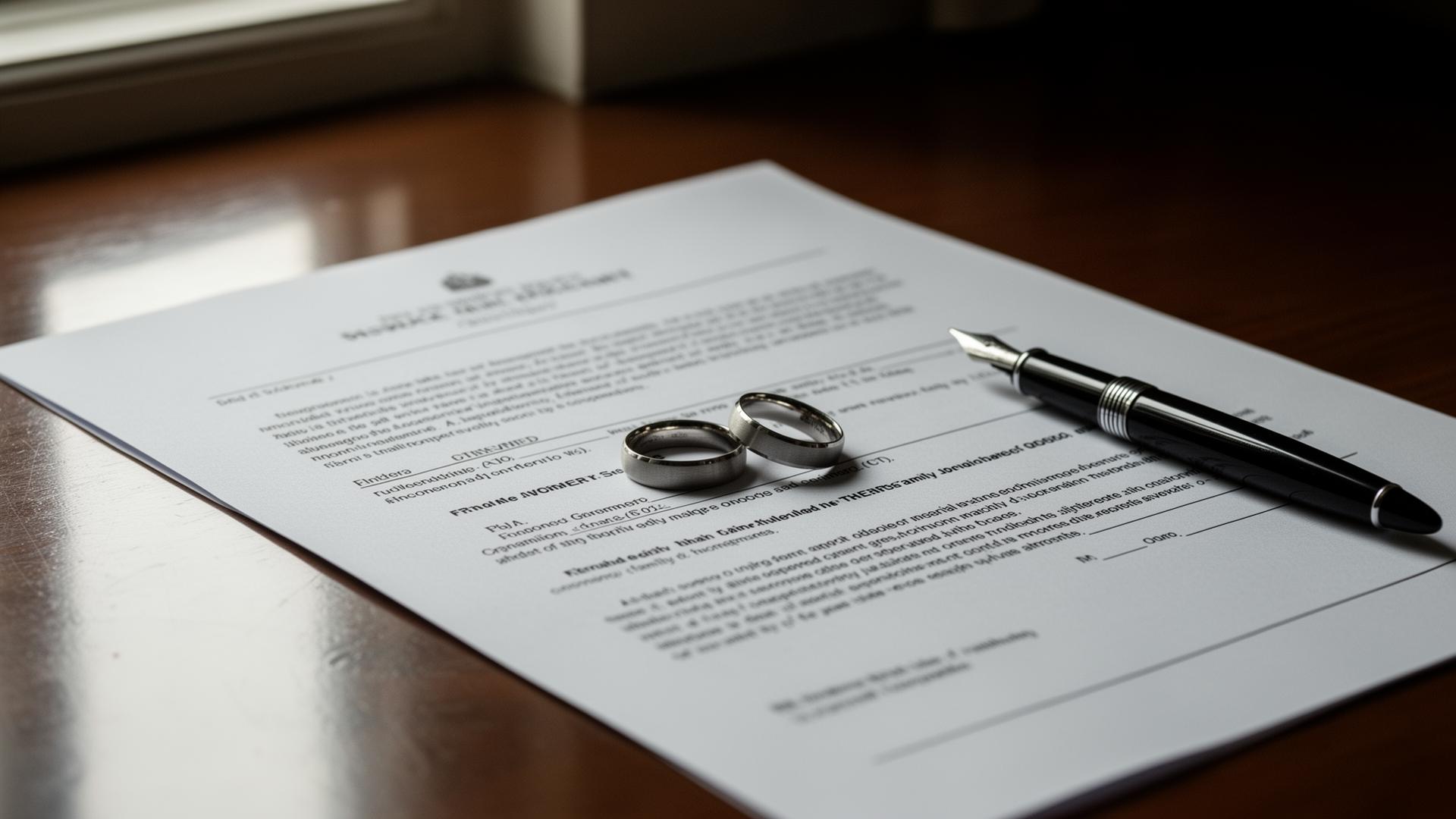
Most divorces in England and Wales now proceed online and uncontested under the no-fault regime. The legal complexity has not gone away — it has just moved to the two issues that actually matter to most separating couples: money and children. That is where a direct access divorce barrister is often the single most cost-effective lawyer you can instruct.
This guide explains what a family law barrister does, when direct access works, what it costs and how to book one through Clerk&Counsel.
What a divorce barrister actually does
Family barristers are specialist advocates and advisers in:
- Financial remedy proceedings — disclosure under Form E, pensions, housing needs, conduct, nuptial agreements and clean break orders
- Child arrangements — where children live, how often they see each parent, schooling, relocation, specific issue and prohibited steps orders
- Domestic abuse — non-molestation and occupation orders
- The divorce or dissolution itself where there is jurisdiction, service or finality dispute
- Cohabitation and TOLATA property disputes on separation
- Pre- and post-nuptial agreement drafting and advice
A direct access divorce barrister is a barrister authorised under the Public Access scheme to take instructions straight from members of the public. You do not need a solicitor to refer you in.
When instructing a barrister direct makes sense
Family law is a strong fit for direct access because so much of the value sits in two things — clear advice and sharp courtroom advocacy — both of which a barrister provides. Direct access works particularly well for:
- A one-off advice on settlement: "Is this offer reasonable?" "Should I accept the pension share?"
- Drafting a consent order or financial remedy order
- Preparing and presenting a First Directions Appointment (FDA) or Financial Dispute Resolution (FDR) hearing
- Final hearings where you are otherwise representing yourself
- Child arrangements hearings — first hearing dispute resolution appointments through to fact-finding and final hearings
- Drafting position statements, skeleton arguments and Scott schedules
Where you need someone to run continuous correspondence with the other side, manage a complex disclosure exercise, or chase third parties (pension providers, valuers, accountants), a solicitor-led model can be the better choice — or a hybrid where a barrister takes the advocacy and a solicitor or paralegal handles the file.
What it costs
A direct access family barrister will normally quote a fixed fee for each stage: an advice in conference, drafting a consent order, representing you at an FDR. Typical ranges for privately funded work:
- Initial conference and written advice: a few hundred to about a thousand pounds depending on seniority and papers
- Drafting a consent order: from around £750
- Representation at a First Directions Appointment or DRA: from around £1,000 plus preparation
- Financial Dispute Resolution: usually £1,500–£3,500 depending on complexity
- Final hearing: a brief fee plus daily refreshers
You get a written client care letter with a fixed fee before anything starts.
Frequently asked questions
Do I need a barrister for divorce?
For the divorce itself — the legal end of the marriage under the no-fault Divorce, Dissolution and Separation Act 2020 — usually not. For the financial settlement and any dispute about children, you almost always benefit from specialist advice. A barrister gives you that advice and, if needed, represents you in court.
Do you need a barrister for a divorce hearing?
You are entitled to represent yourself, but contested financial and children hearings are run on tight timetables with formal rules of evidence. A direct access family barrister levels the playing field if your former partner is represented and reduces the risk of an unfair order.
Why do I need a barrister for a divorce hearing?
Because the judge will expect skeleton arguments, focused cross-examination and clear submissions on the section 25 factors (or the welfare checklist in children proceedings). That is what barristers are trained to do, day in and day out.
Can a barrister help in divorce proceedings without a solicitor?
Yes — that is what direct access is. The barrister advises you, drafts what needs drafting, and appears for you. You file the documents in your own name with the barrister''s assistance.
How much does a divorce barrister cost?
Fixed fees per stage, agreed in writing before work starts. Total spend is usually a fraction of running an entire matter through a high-street solicitor at hourly rates.
When in divorcing do I see a barrister?
Useful trigger points are: when settlement talks stall, before signing any consent order, before any contested court hearing, and immediately if a Form A is issued or there is a children application.
Can I change my divorce barrister mid-case?
Yes. You are the client and you can re-instruct. A fresh barrister will read in to the papers — there is a one-off cost for this but it is rarely a barrier.
How to instruct a divorce barrister through Clerk&Counsel
Send a short summary of your situation and any upcoming hearing dates via our find counsel page. Our clerks will match you with a family law specialist, send you a written fixed-fee quote and client care letter, and book a conference — usually within two working days.
Separation is hard enough. Specialist advice from a direct access family barrister at the right moment — before you sign, before you negotiate, before you walk into court — is one of the highest-value pounds you will spend.
Need to instruct counsel on a matter discussed here? Send us a brief or browse our find counsel page.