Do I Need a Barrister for a Final Hearing?
What to expect at a final hearing in family court and why instructing a barrister can make the difference
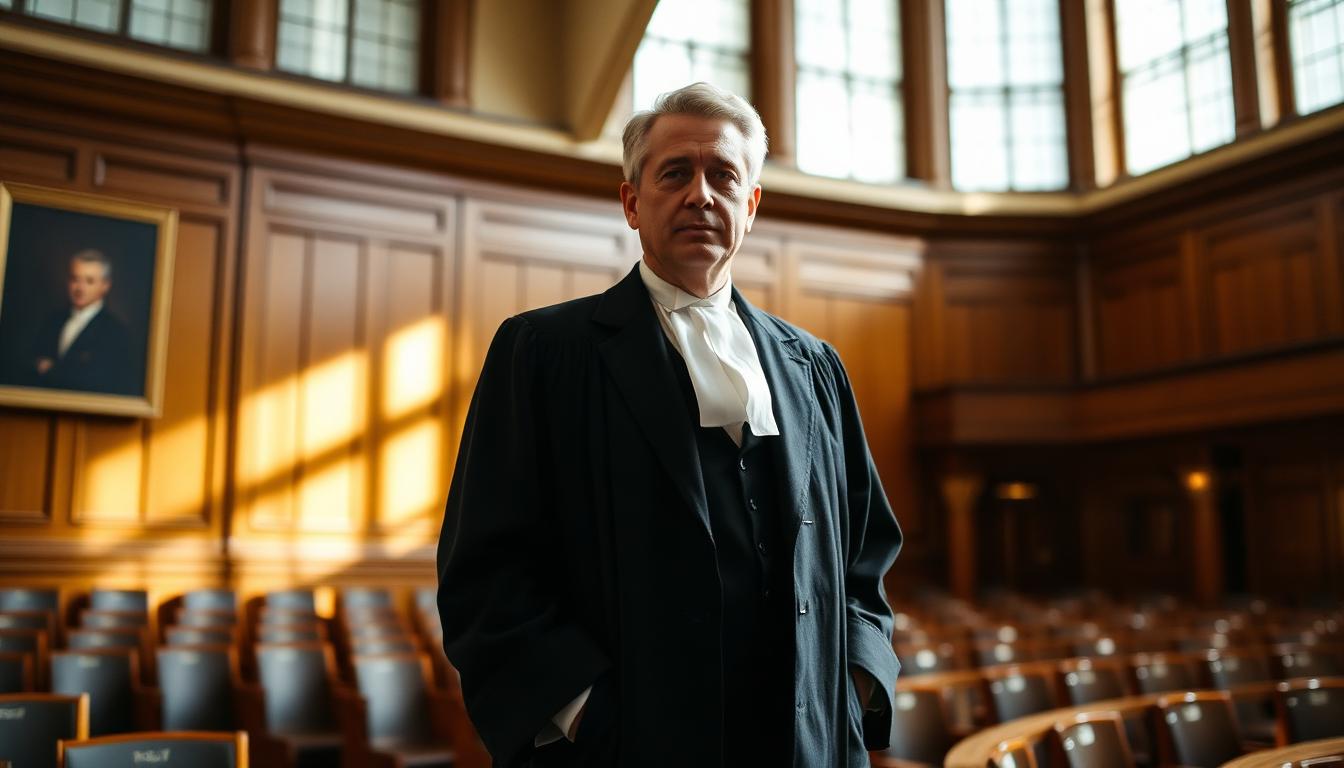
If your case is heading for a final hearing, you are probably wondering whether you need a barrister, whether you can represent yourself, and what the day itself will actually look like. Final hearings are the point where a judge hears all the evidence, listens to witnesses, and then makes a binding decision. In family court, this could be the moment that decides where your children live, how your finances are divided, or whether a non-molestation order is granted. The stakes are high, and the courtroom is a formal environment where procedure matters.
What is a final hearing?
A final hearing is the last stage of court proceedings where the judge resolves the issues in dispute. Unlike earlier court hearings, which might simply review progress or encourage settlement, a final hearing is where each side presents their full case. The judge reads the evidence, hears oral submissions from the lawyers or parties, and then delivers a judgment. Once that judgment is handed down, the case is finished unless one side appeals.
In the family court, final hearings can cover everything from child arrangements and financial remedy cases to occupation orders and prohibited steps. The length of the hearing depends on the complexity of the case and the number of witnesses. Some final hearings last a single morning, while others run for several days.
What happens at a final hearing in family court?
On the day, the judge will already have read the key documents. These usually include witness statements, financial statements, care plans, or expert reports filed in advance. Each party, or their legal representative, then has the chance to make opening submissions, question witnesses, and sum up their case.
If you are representing yourself, you will be expected to follow the same rules of evidence and court etiquette as a qualified lawyer. That means asking questions in the right format, avoiding argument when questioning witnesses, and keeping your submissions focused on the facts and the law. The judge will try to help a litigant in person, but they cannot advise you, and they will still expect you to present your case properly.
Do I need a barrister for a final hearing?
You do not have to have a barrister. You have the right to represent yourself in any family court hearing. However, final hearings are rarely straightforward. The judge will make decisions based on the strength of the evidence and the quality of the legal arguments. A poorly prepared case, or a key piece of evidence that is not presented correctly, can cost you the outcome.
Barristers specialise in courtroom advocacy. They know how to examine witnesses, how to object to inadmissible evidence, and how to structure legal arguments so the judge can follow them. Instructing a barrister for a final hearing means you have someone in your corner who spends every working day in court hearings, who understands how judges think, and who can keep calm under pressure.
How does public access work for final hearings?
Public access, often called direct access, allows you to instruct a barrister without going through a solicitor. This can save money and keeps things simple. You deal directly with the barrister, agree the fee in advance, and they represent you in court. The barrister will still need time to prepare, so you should send them the court bundle, your statements, and any other documents as early as possible.
Not every barrister takes public access work, and some cases are too complex for it. But for many family court final hearings, it is a practical and cost-effective option. You get specialist advocacy without paying for a solicitor to handle routine correspondence.
How to prepare for a final hearing family court
Preparation starts long before the hearing date. Make sure your witness statements are filed on time, your documents are paginated and indexed, and you have prepared a short chronology if the judge has asked for one. If you have a barrister, they will guide you through this and may hold a conference with you a few days before the hearing to run through questions and tactics.
On the day itself, arrive early, dress smartly, and bring copies of everything. Court hearings can be stressful, and having an experienced advocate with you can let you focus on giving your evidence while your barrister handles the law and the procedure.
If you would like help finding a barrister for your final hearing, Clerk & Counsel can match you with a specialist advocate who covers your area and is available for public access instructions. We can also arrange an initial consultation so you can discuss your case before deciding how to proceed.
Need to instruct counsel on a matter discussed here? Send us a brief or browse our find counsel page.