Barrister burnout: the warning signs and what to do about them
Recognising burnout early in a self-employed practice
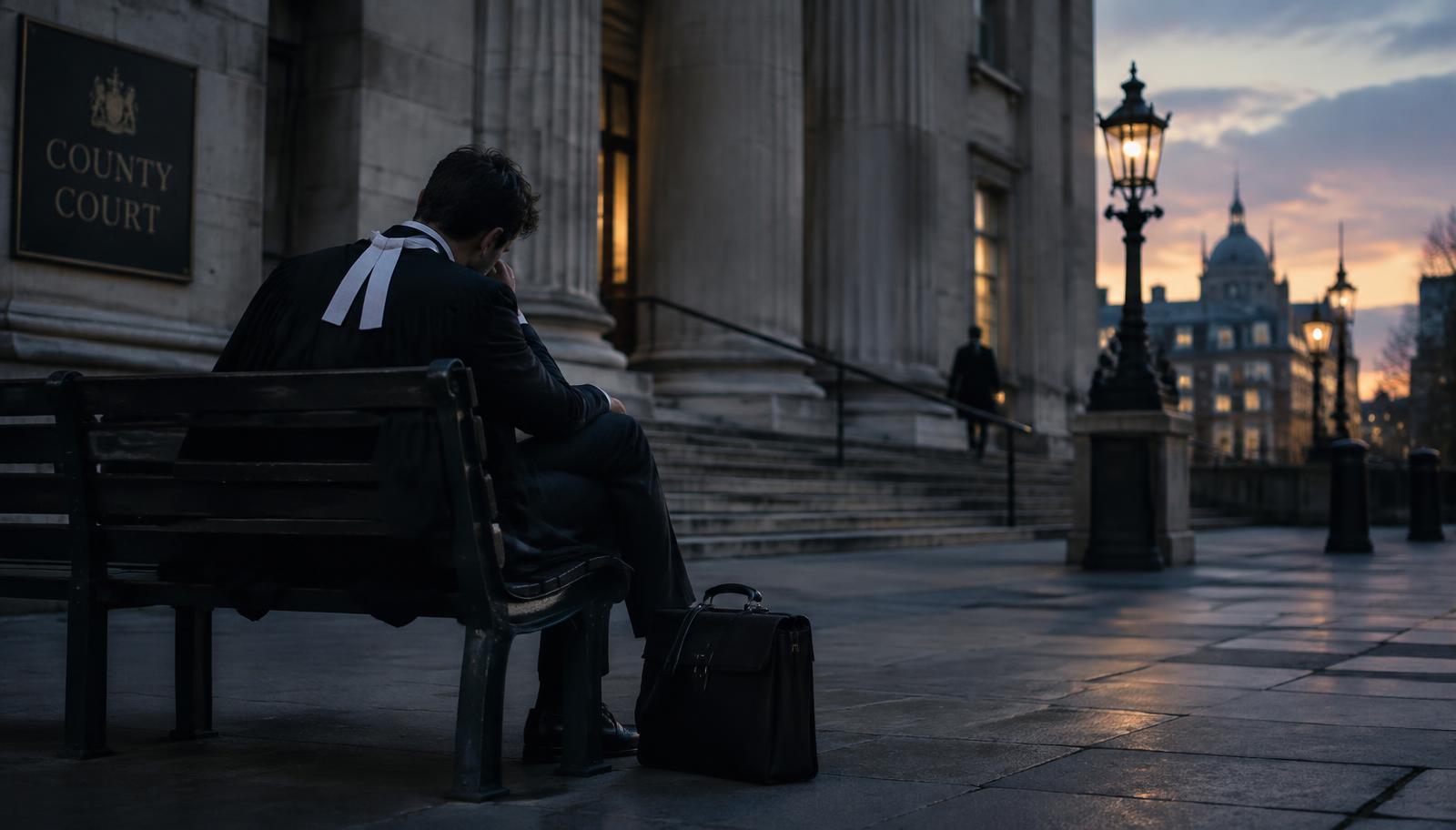
Burnout at the Bar rarely arrives as a single dramatic event. It builds slowly, through late nights preparing for trials that crack on the morning, weekends lost to paperwork, the constant availability expected of a self-employed practitioner and the emotional weight of other people's worst days. The Bar Council's own wellbeing surveys have repeatedly found that a significant proportion of barristers report high levels of stress and exhaustion. If you recognise yourself in what follows, you are far from alone.
This article explains what burnout is, how it tends to show itself in barristers, and practical steps you can take before it becomes serious.
What burnout actually is
Burnout is not simply being tired after a heavy week. It is generally described as a state of chronic work related stress with three features: persistent exhaustion, growing detachment or cynicism about the work, and a sense that you are no longer effective however hard you try. It develops when demands consistently outstrip the resources you have to meet them, and when recovery time has disappeared.
The structure of practice at the Bar makes it particularly likely. Barristers are self-employed, so there is no manager watching workloads. Income depends on accepting work, so saying no feels risky. The adversarial nature of the job means that conflict is constant. And many barristers work alone, with little day to day contact with colleagues who would notice a change.
Warning signs to watch for
The early signs are easy to dismiss as part of the job. Look out for patterns rather than single bad days.
Physical signs. Disturbed sleep, particularly waking in the early hours thinking about cases. Frequent minor illnesses. Headaches, tension or digestive problems. Relying on caffeine to get going and alcohol to switch off.
Emotional signs. Dread on a Sunday evening or when your clerk calls. Irritability with clients, solicitors or family. Feeling numb about cases that would once have engaged you. A sense of being trapped.
Professional signs. Taking longer to do work that used to be routine. Procrastinating on papers, then working through the night to catch up. Small errors creeping in. Avoiding emails and calls. Losing interest in developing your practice.
Behavioural signs. Withdrawing from friends and from chambers life. Cancelling exercise and holidays. Checking emails constantly, even when there is nothing you can do.
If several of these have been present for weeks rather than days, take them seriously.
Why barristers ignore the signs
There is a culture at the Bar of resilience and endurance. Admitting that you are struggling can feel like admitting weakness, and there is a real fear that solicitors or clerks will see you as unreliable. Self-employment adds financial pressure: time off is unpaid and work turned down may go to someone else permanently. These pressures are real, but so is the cost of burnout, which can include serious illness, mistakes in practice and leaving the profession altogether.
Practical steps that help
Protect recovery time. Recovery is not a luxury. Identify one evening a week and at least one day at the weekend that are genuinely free of work, and tell your clerk. Plan holidays well in advance and block them in the diary so they are treated like a trial date.
Look honestly at your workload. Review the last three months of your diary. Which types of work drain you most for the least reward? Which solicitors consistently send papers late? You may be able to reshape your practice gradually so that it fits you better.
Talk to your clerk. A good clerk wants you to sustain a long practice, not burn out in a year. Explain what you can realistically manage. Ask for a maximum number of returns, more notice of heavy trials, or a lighter week after a long hearing.
Reconnect with people. Isolation makes everything worse. Make time for colleagues, whether in chambers, at circuit events or through specialist associations. A coffee with another barrister who understands the job can be surprisingly restorative.
Look after the basics. Sleep, movement, food and limiting alcohol are not glamorous, but they make a measurable difference to resilience. Even a short daily walk without your phone helps.
Get professional support. If symptoms persist, speak to your GP. The Bar Council's Wellbeing at the Bar portal has guidance and resources written for barristers, and LawCare offers a free, confidential support line for people working in the legal profession. Many barristers also find a few sessions with a counsellor or coach helpful.
Supporting colleagues
If you notice a colleague showing these signs, a quiet, private word can matter enormously. Ask how they are, listen without judging, and point them towards support. Heads of chambers and senior clerks have a particular role in creating a culture where talking about wellbeing is normal.
A sustainable practice is a better practice
Barristers who manage their workload and protect their health tend to do better work, keep their clients longer and enjoy their careers more. Recognising burnout early is not a sign of weakness. It is part of running a professional practice responsibly.
If part of the pressure comes from managing your diary, chasing fees and finding work on your own, Clerk&Counsel offers clerking support to independent barristers so that you can focus on the work you do best.
This article is general information and not medical advice. If you are struggling, please speak to your GP or contact LawCare.
Need to instruct counsel on a matter discussed here? Send us a brief or browse our find counsel page.